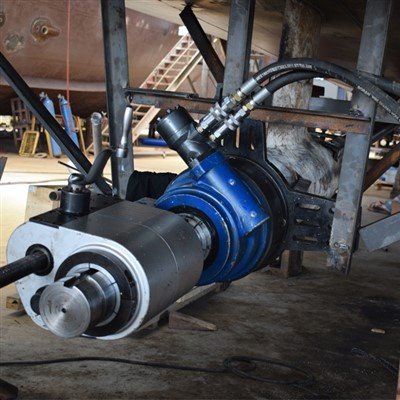
Adjusting the speed of a portable lathe is a crucial skill for anyone involved in metalworking, woodturning, or other lathe – based operations. As a supplier of portable lathes, I’ve seen firsthand how the ability to accurately adjust the lathe speed can significantly enhance the quality of work and the efficiency of the machining process. In this blog, I’ll share some in – depth knowledge about how to adjust the speed of a portable lathe. Portable Lathe
Understanding the Importance of Lathe Speed
Before delving into the adjustment process, it’s essential to understand why lathe speed matters. The speed at which the lathe spins directly impacts the quality of the workpiece. If the speed is too high, it can lead to excessive heat generation, which may cause the material to melt or the cutting tool to wear out quickly. On the other hand, if the speed is too low, the cutting process will be inefficient, and the surface finish of the workpiece may be poor.
The ideal lathe speed depends on several factors, including the type of material being worked on, the diameter of the workpiece, and the type of cutting tool being used. For example, softer materials like aluminum or wood can generally be machined at higher speeds than harder materials like steel or titanium. Also, smaller diameter workpieces can be spun at higher speeds compared to larger diameter ones.
Types of Portable Lathe Speed Control Systems
Portable lathes typically come with one of two types of speed control systems: belt – driven or variable frequency drive (VFD) systems.
Belt – Driven Systems
Belt – driven systems are the more traditional and common method of speed control in portable lathes. These systems work by changing the position of the drive belt on a set of step pulleys. Each pulley has different diameters, and by moving the belt from one pulley to another, you can change the gear ratio and thus the speed of the lathe spindle.
To adjust the speed using a belt – driven system, you usually need to follow these steps:
- Power Off: Always make sure the lathe is turned off and unplugged before attempting to adjust the belt. This is a crucial safety step to prevent any accidental starts.
- Locate the Belt and Pulleys: Open the belt guard to access the drive belt and step pulleys. The step pulleys are usually located near the motor and the spindle.
- Loosen the Belt Tension: Many lathes have a mechanism to loosen the belt tension. This can be done by adjusting a tensioning bolt or lever. Once the tension is released, the belt can be easily moved.
- Move the Belt: Carefully move the belt from one step of the pulley to another. Make sure the belt is properly seated on the new pulley step. A misaligned belt can cause vibration and uneven wear.
- Tighten the Belt Tension: After moving the belt, adjust the tensioning mechanism to tighten the belt. The belt should be tight enough to drive the spindle smoothly but not so tight that it causes excessive stress on the motor or bearings.
- Check the Speed: Once the belt is in place and tightened, you can turn on the lathe and use a tachometer to measure the spindle speed. Compare the measured speed with the desired speed, and if necessary, make further adjustments.
Variable Frequency Drive (VFD) Systems
VFD systems are a more modern and advanced way of controlling the speed of a portable lathe. A VFD is an electronic device that controls the frequency of the electrical power supplied to the motor, which in turn controls the speed of the motor and the lathe spindle.
The advantages of VFD systems are numerous. They offer a continuous range of speed adjustment, which means you can set the lathe to run at any speed within its specified range. They also provide more precise speed control and better torque regulation compared to belt – driven systems.
To adjust the speed using a VFD system:
- Understand the VFD Interface: Each VFD has a control panel with various buttons and a display. The first step is to familiarize yourself with the interface and the functions of the different buttons.
- Power On the VFD: Make sure the VFD is properly connected to the power supply and the lathe motor. Turn on the power switch of the VFD.
- Set the Speed: Use the up and down buttons on the VFD control panel to set the desired spindle speed. The speed is usually displayed on the VFD screen in revolutions per minute (RPM).
- Save the Settings (Optional): Some VFDs allow you to save the speed settings for future use. This can be useful if you often work with the same speed settings.
- Start the Lathe: Once the speed is set, you can start the lathe motor by pressing the start button on the VFD control panel.
Factors to Consider When Adjusting the Speed
When adjusting the speed of a portable lathe, there are several factors that you need to take into account:
Material Type
As mentioned earlier, different materials require different lathe speeds. Here are some general guidelines:
- Wood: Wood can typically be machined at relatively high speeds, ranging from 1000 to 3000 RPM, depending on the type of wood and the diameter of the workpiece.
- Aluminum: Aluminum is a soft metal and can be machined at speeds between 1000 and 3000 RPM. Higher speeds can be used for smaller diameter workpieces.
- Steel: Steel is a harder metal, and the speed should be lower, usually between 200 and 1000 RPM, again depending on the diameter and the specific type of steel.
- Titanium: Titanium is extremely hard and should be machined at very low speeds, typically below 500 RPM.
Workpiece Diameter
The diameter of the workpiece is also a critical factor in determining the lathe speed. The general rule is that the larger the diameter of the workpiece, the lower the speed should be. This is because the outer edge of a larger diameter workpiece travels a greater distance in one revolution compared to a smaller diameter workpiece. To maintain a consistent cutting speed, the spindle speed needs to be reduced.
Cutting Tool
The type of cutting tool being used also affects the optimal lathe speed. Different cutting tools have different recommended cutting speeds based on their material, geometry, and the type of cutting operation. For example, a high – speed steel (HSS) cutting tool may require a different speed than a carbide – tipped cutting tool.
Troubleshooting Speed Adjustment Issues
Sometimes, you may encounter problems when trying to adjust the speed of your portable lathe. Here are some common issues and their solutions:
Belt – Driven Systems
- Belt Slipping: If the belt is slipping, it may be because the belt is too loose or worn out. Check the belt tension and adjust it if necessary. If the belt is worn, replace it with a new one.
- Inaccurate Speed: If the actual speed is different from the expected speed, it could be due to a misaligned belt or a worn pulley. Check the alignment of the belt and the condition of the pulleys. If the pulleys are worn, they may need to be replaced.
VFD Systems
- Error Messages: VFDs may display error messages on the control panel. Refer to the VFD user manual to understand the meaning of the error message and how to resolve it. Common causes of error messages include overheating, power supply issues, or incorrect settings.
- Inconsistent Speed: If the speed is fluctuating or inconsistent, it could be due to a problem with the VFD control circuit or the motor. Check the wiring connections and make sure the motor is properly grounded. If the problem persists, it may be necessary to contact a professional electrician or the VFD manufacturer for further assistance.
Conclusion

Adjusting the speed of a portable lathe is a complex but essential process that requires a good understanding of the lathe’s speed control system, the properties of the material being worked on, and the characteristics of the cutting tool. By following the guidelines and tips outlined in this blog, you can ensure that your portable lathe operates at the optimal speed for your specific machining tasks, resulting in higher quality workpieces and greater efficiency.
Line Boring Accessories If you’re in the market for a portable lathe or need further advice on speed adjustment and lathe operations, I encourage you to reach out. Our team of experts is always ready to assist you in finding the right lathe for your needs and providing you with the support and knowledge you need to get the most out of your equipment. Contact us to start a procurement discussion today.
References
- "Machining Handbook" by Industrial Press Inc.
- Manufacturer’s manuals for various portable lathes
- Technical articles on metalworking and woodturning in industry – specific magazines
Shangqiu JDA Machinery Technology Co., Ltd.
With abundant experience, we are one of the most professional portable lathe manufacturers and suppliers in China. We warmly welcome you to buy cheap portable lathe for sale here from our factory. Quality products and reasonable price are available.
Address: No. 55 Pingyuan Middle Road, Liangyuan District, Shangqiu, Henan, China
E-mail: sales@jdamachines.com
WebSite: https://www.jdamachines.com/
