Hey there! As a supplier of dyeing auxiliaries, I’ve seen firsthand how these little helpers can have a big impact on fabric shrinkage. In this blog, I’m gonna break down the whole deal and explain how dyeing auxiliaries affect the shrinkage of fabrics. Dyeing Auxiliaries
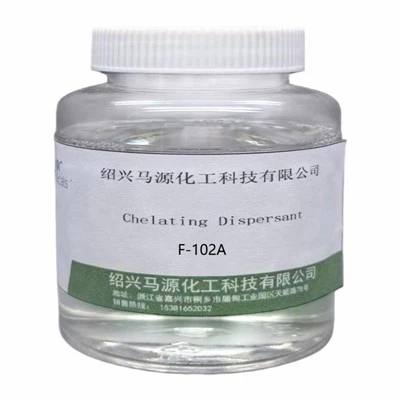
First things first, let’s talk about what dyeing auxiliaries are. They’re basically chemicals that we add during the dyeing process to make things work better. They can help the dye stick to the fabric, make the color more vivid, and even improve the overall quality of the dyeing. But one aspect that often gets overlooked is their impact on fabric shrinkage.
So, how do they affect it? Well, it all comes down to how they interact with the fibers in the fabric. Different types of fabrics have different fibers, like cotton, polyester, or wool, and each fiber reacts differently to the dyeing auxiliaries.
Let’s start with cotton. Cotton is a natural fiber that’s very absorbent. When we dye cotton, it tends to absorb a lot of water and the dyeing solution. Some dyeing auxiliaries can increase this absorption even more. For example, wetting agents can make the water and dye penetrate the cotton fibers more easily. But here’s the thing: when the fabric dries after dyeing, all that absorbed water and chemicals can cause the cotton fibers to shrink. The more they absorb, the more they’re likely to shrink.
On the other hand, there are also dyeing auxiliaries that can help reduce shrinkage in cotton. Anti – shrinkage agents are a great example. These agents can form a kind of protective layer around the cotton fibers. This layer prevents the fibers from moving too much during the dyeing and drying process, which in turn reduces shrinkage. They work by essentially "locking" the fibers in place.
Now, let’s move on to polyester. Polyester is a synthetic fiber that’s generally less absorbent than cotton. However, it still needs dyeing auxiliaries to help the dye bond with the fibers. Disperse dyes are commonly used for polyester, and they often require the use of dispersing agents. These dispersing agents keep the dye particles evenly distributed in the dyeing solution. When it comes to shrinkage, polyester doesn’t shrink as much as cotton naturally. But the dyeing process can still have an impact. If the dispersing agents are too aggressive, they might cause the polyester fibers to slightly change their structure. This can lead to a small amount of shrinkage, although it’s usually much less than what we see in cotton.
Then there’s wool. Wool is a unique fiber because it has scales on its surface. When we dye wool, some dyeing auxiliaries can affect these scales. For instance, scouring agents are used to clean the wool before dyeing. If these agents are too strong, they can damage the scales on the wool fibers. Once the scales are damaged, the wool fibers can start to cling to each other more easily during the dyeing and subsequent washing processes. This can lead to significant shrinkage, which is something we all know as "felting" of wool.
But there are also ways to use dyeing auxiliaries to prevent this shrinkage in wool. Shrink – proofing agents can be applied during the dyeing process. These agents coat the wool fibers and smooth out the scales, reducing the friction between the fibers and preventing them from felting.
Another important factor to consider is the temperature and pH of the dyeing bath. Dyeing auxiliaries can affect these conditions. For example, some leveling agents can help maintain a consistent temperature throughout the dyeing bath. A stable temperature is crucial because if the temperature fluctuates too much, it can cause uneven shrinkage in the fabric. Similarly, pH – adjusting agents can control the acidity or alkalinity of the dyeing solution. An improper pH can cause the fibers to swell or shrink differently, leading to inconsistent results in terms of fabric shrinkage.
Now, how do we know which dyeing auxiliaries to use to control shrinkage? Well, it depends on the type of fabric, the dyeing method, and the desired outcome. For a cotton fabric that needs to have minimal shrinkage, we might recommend a combination of an anti – shrinkage agent and a mild wetting agent. For polyester, we’d focus on high – quality dispersing agents that won’t cause excessive fiber deformation. And for wool, a good shrink – proofing agent is a must.
As a dyeing auxiliaries supplier, I’ve worked with many textile manufacturers over the years. I’ve seen the difference that the right dyeing auxiliaries can make. One client was struggling with high shrinkage rates in their cotton T – shirts. After switching to our anti – shrinkage agent, their shrinkage rates dropped significantly. This not only improved the quality of their products but also saved them a lot of money in returns and re – production costs.
Another client who worked with polyester blend fabrics was having issues with uneven color and slight shrinkage. By using our custom – formulated dispersing agents, they were able to achieve better color uniformity and reduce the shrinkage to an acceptable level.
So, if you’re in the textile industry and dealing with fabric shrinkage issues, don’t worry! There’s a good chance that the right dyeing auxiliaries can help. Whether you’re working with natural or synthetic fabrics, there are products out there that can make a real difference.
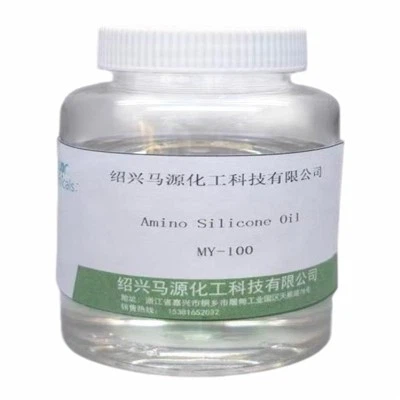
I’d love to work with you to find the best dyeing auxiliaries for your specific needs. If you’re interested in discussing how we can help you control fabric shrinkage and improve the quality of your dyeing process, don’t hesitate to reach out. Let’s have a chat and see how we can solve your problems together.
Functional Additives References
- "Textile Dyeing and Finishing: Principles and Applications" by William Oxenham
- "Handbook of Textile Fiber Structure" by Terence Saving and John S. Hearle
- "Dyeing and Chemical Technology of Textile Fibres" by Klaus Hunger
Shaoxing Mayor Chemical & Technology Co., Ltd.
We are one of the most reliable dyeing auxiliaries manufacturers and suppliers in China, specialized in providing high quality products with low price. We warmly welcome you to buy discount dyeing auxiliaries for sale here from our factory. For pricelist, contact us now.
Address: No. 78, Tianshun Road, Tudian Industrial Park, Tongxiang City, Jiaxing City, Zhejiang Province, China
E-mail: 627249875@qq.com
WebSite: https://www.mayorchemicals.com/
