Hey there! As a supplier of direct burial optical fiber cables, I get asked a ton about what kind of soil is best for these cables. It’s a super important question because the right soil can make a huge difference in how well the cable works and how long it lasts. So, let’s dive into it! Direct Burial Optical Fiber Cable
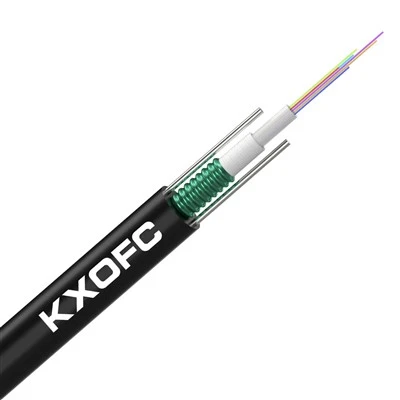
Why Soil Matters for Direct Burial Optical Fiber Cables
First off, let’s talk about why soil even matters when it comes to direct burial optical fiber cables. These cables are designed to be buried directly in the ground without the need for additional protective conduits. That means they’re in direct contact with the soil, and the soil can have a big impact on them.
The soil can affect the cable in a few different ways. For one, it can provide mechanical protection. A good soil will cushion the cable from external impacts, like someone accidentally digging near it. The soil also plays a role in the cable’s temperature regulation. Since the cable generates a bit of heat while it’s in use, the soil can help dissipate that heat, preventing the cable from overheating.
Another thing to consider is moisture. If the soil holds too much water, it can cause corrosion and damage to the cable. On the other hand, if the soil is too dry, it can crack and shift, potentially breaking the cable. So, finding the right soil balance is key.
Types of Soil and Their Suitability
Sandy Soil
Sandy soil is probably one of the first types that come to mind. It’s made up of large particles, which means it drains really well. Water passes through sandy soil quickly, so there’s less risk of waterlogging the cable. This is great for preventing corrosion and damage from excess moisture.
However, sandy soil has its downsides too. Because the particles are large, it doesn’t hold together very well. That means it offers less mechanical protection for the cable. If there’s any kind of impact or movement in the ground, the sandy soil might not be able to cushion the cable as effectively. Also, sandy soil can be more prone to shifting, especially in areas with high winds or heavy rain. This shifting can put stress on the cable and potentially lead to breaks.
Overall, sandy soil can be okay for direct burial optical fiber cables, but it might require some extra precautions. You might need to use a thicker cable jacket or install some kind of protective layer around the cable to give it more support.
Clay Soil
Clay soil is the opposite of sandy soil in many ways. It’s made up of very fine particles, which means it holds water really well. While this can be a problem in terms of moisture, it also has some benefits. Clay soil is very dense and sticky, which means it offers excellent mechanical protection for the cable. It can hold the cable in place and resist external impacts.
The big issue with clay soil is the moisture. When it gets wet, it can become waterlogged, and the cable can be exposed to a lot of water for long periods. This can lead to corrosion and damage to the cable’s components. Also, when clay soil dries out, it can shrink and crack. These cracks can put stress on the cable and cause it to break.
If you’re using clay soil for direct burial, you’ll need to make sure the cable has good moisture protection. You might also want to install a drainage system around the cable to prevent water from pooling.
Loamy Soil
Loamy soil is, in my opinion, the Goldilocks of soils when it comes to direct burial optical fiber cables. It’s a mixture of sand, silt, and clay, which gives it the best of all worlds. Loamy soil drains well, like sandy soil, so there’s less risk of waterlogging. At the same time, it holds together well, like clay soil, so it offers good mechanical protection.
Loamy soil also has a good balance of nutrients and organic matter, which can help keep the soil healthy and stable. This means there’s less chance of the soil shifting or cracking over time. It’s also easier to dig in loamy soil, which can make the installation process a lot easier.
Overall, loamy soil is the most suitable type of soil for direct burial optical fiber cables. It provides the right combination of drainage, mechanical protection, and stability.
Other Factors to Consider
While the type of soil is important, there are other factors you need to think about when burying optical fiber cables. For example, the pH level of the soil can affect the cable. Some soils are more acidic or alkaline, and this can cause corrosion or damage to the cable’s outer jacket. You should test the soil’s pH level before installation and take steps to neutralize it if necessary.
The depth of the burial is also crucial. The cable should be buried deep enough to protect it from external impacts and temperature changes. As a general rule, it’s recommended to bury the cable at least 30 inches (about 76 cm) deep. However, this can vary depending on the type of soil and local regulations.
Another factor is the presence of rocks or other debris in the soil. Rocks can damage the cable during installation, so you should try to clear the area as much as possible. If there are large rocks or boulders, you might need to use special equipment to break them up or move them.
Making the Right Choice
So, how do you know if the soil at your installation site is suitable for direct burial optical fiber cables? The best thing to do is to have the soil tested. A professional soil testing service can analyze the soil’s composition, pH level, and other factors to determine its suitability.
If the soil isn’t ideal, don’t worry. There are ways to make it work. You can add amendments to the soil to improve its drainage or mechanical properties. For example, if you have sandy soil, you can add some clay or organic matter to make it more stable. If you have clay soil, you can add sand or gravel to improve drainage.
It’s also important to work with a knowledgeable installer. They can help you choose the right cable for the soil conditions and ensure that it’s installed correctly. A good installer will take into account all the factors we’ve discussed and make sure the cable is protected for the long term.
Reach Out for Your Cable Needs

If you’re in the market for direct burial optical fiber cables, I’d love to help. As a supplier, I’ve got a wide range of cables to suit different soil conditions and installation requirements. Whether you’re dealing with sandy soil, clay soil, or loamy soil, I can recommend the right cable for you.
Non-metal Dielectric Optical Cable Don’t hesitate to reach out if you have any questions or if you’re ready to start a project. I’m here to make sure you get the best cable and the best advice for your direct burial needs. Let’s work together to ensure your optical fiber network is up and running smoothly for years to come.
References
- Brady, B. H. G., & Brown, E. T. (1993). Rock Mechanics for Underground Mining. Kluwer Academic.
- Daniel, D. E. (1994). Geosynthetics in Geotechnical Engineering. Elsevier.
- Das, B. M. (2002). Principles of Geotechnical Engineering. Thomson Learning.
Hangzhou Lin’an Kexin Optical Cable Co., Ltd.
As one of the most professional direct burial optical fiber cable manufacturers and suppliers in China, we’re featured by quality products and good price. Please rest assured to wholesale discount direct burial optical fiber cable made in China here and get pricelist from our factory. Customized orders are welcome.
Address: No. 28 Linglong Street,Lin’an Area, Hangzhou City, Zhejiang Province, China
E-mail: sales@kexincable.com
WebSite: https://www.kexincable.com/
