Hey guys, let’s cut to the chase—if you’re in the market for educational puzzles that actually do more than just keep a kid quiet for 20 minutes, you’re in the right spot. I’ve spent years working with schools, after-school programs, and even parents who swear by our puzzles, and the number one question I get isn’t “are these hard enough?” it’s “do they actually teach teamwork?” Let’s be real: teamwork isn’t just a buzzword schools throw around on report cards. It’s how kids learn to listen, compromise, and turn messes into something cool. But not all puzzles are created equal when it comes to that—so let’s break down the best ones, why they work, and how you can grab ’em for your group. Educational Puzzles

First off, let’s talk about why some puzzles flop at teamwork. I’ve seen tons of single-player puzzles advertised as “team games” that just end with one kid doing all the work while the others zone out. That’s the last thing we want, right? A good teamwork puzzle needs to force every single person to pull their weight—no slacking. It should have clear roles so even the shyest kid can contribute, and a problem that’s too big for one person to solve alone. Think about it: if a puzzle only has 5 pieces total, one kid can grab all of ’em and finish it in 2 minutes. Not helpful. If it has 100 pieces spread across a group of 5, you can’t do that.
The first top pick on my list? Floor puzzle maps, especially the big, giant ones for classrooms. Wait, hear me out—we’re not talking about those tiny 24-piece puzzles that a toddler can do alone. I mean the 500-piece, 4×6 foot maps of the US, the solar system, or even a rainforest. Why are these gold for teamwork? Let’s walk through how a group works through one. First, you can’t just dump a box on a table and go—every kid needs a job. Some people sort edge pieces (the ones with the straight sides that make the frame, duh), some dig for specific landforms (like matching the shape of Florida to its spot on the map), and others keep track of where big countries or planets go. Last year, a 4th grade teacher told me her quietest student—who never raised his hand in class—was the edge-sorting king. He noticed a piece that didn’t fit the main frame and caught a mistake the other kids missed, all because his role let him shine. If you’ve ever tried to do a floor map puzzle alone, you know it’s a nightmare—those big pieces are heavy, and you can’t reach all corners. It forces collaboration by default, no extra hoops needed.
But here’s a pro tip for when you’re using these with groups: don’t pre-sort the pieces. I know, I know, adults love pre-sorting to make it faster, but if you hand each kid a random pile, they have to communicate. “Hey, do you have a blue piece that’s the size of Texas?” “No, but I have a mountain piece—want it for that range?” That’s real, live teamwork happening. A study I’ll cite later found that kids who worked on group floor puzzles scored 20% higher on cooperative communication tests than those who did individual jigsaws. That’s not a fluke.
Next up, build-your-own theme puzzle sets—wait, not the basic Lego sets, I mean the ones that come with a single instruction list that requires 3+ people. Think about it: the ones where you have to build a castle with a working drawbridge, or a space station with rotating solar panels, or even a miniature city with separate buildings. The catch here is that the set has a lot of small, fiddly pieces—mini wheels, tiny window panes, little flags—that no one person can handle. Let’s take the castle set, for example. One kid can’t hold the 2-foot tall tower pieces while another glues on the turrets, and someone else has to sort the tiny door hinges so they don’t get lost. I’ve seen groups fight over who gets to hold the big pieces at first, but after 10 minutes, they figure it out: “You do the big walls, I do the tiny hinges, Mia does the bridge.” That’s role differentiation, which is the core of teamwork.
Another cool thing about these sets? They’re flexible. You can adjust the size based on your group. If you have 3 kids, you can split roles; if you have 10, you can have a whole crew for the bridge alone. Last month, a summer camp used our space station set with 8 kids, and they even added a “safety check” role where one kid made sure every piece was secure before moving on. I never would’ve thought to add that role, but that’s the magic of these puzzles—they make kids problem-solve on the fly.
Now, let’s talk about a wild card a lot of people sleep on: escape room-style educational puzzles. Wait, not the adult escape rooms—we make kid-friendly versions that are puzzle-based, not just code-breaking (though code-breaking is fun too). These are sets where the whole group has to solve 3-4 small puzzles to “unlock” the final big prize—like a mini treasure chest with a sticker sheet or a small toy. Why do these work so well? They build a sense of shared urgency. If one puzzle takes too long, the whole group is behind, so they have to help each other. For example, our animal-themed escape room puzzle has a puzzle where you have to match animal tracks to their habitats, a puzzle where you count how many of each animal are on a sheet, and a final puzzle where you use those numbers to open a combination lock. If one kid can’t tell a raccoon track apart from a dog track, another kid who’s good at animal facts can jump in. If someone messes up the count, the lock won’t open, so everyone has to double-check. I’ve watched groups go from bickering to high-fiving in 15 minutes flat just because they realized they’re all on the same team.
The biggest mistake people make with escape room puzzles is making them too hard. If the combination lock is 4 digits and only one kid can read the numbers, that’s not teamwork. We design ours so every puzzle has at least one part each kid can contribute—so even the kid who hates reading can do the counting, and the kid who loves stories can lead the track-matching. That’s accessibility, which is huge for teamwork because it means no one feels left out.
Wait, let’s address something real quick: what about younger kids, like 3-5 year olds? A lot of the stuff I’ve talked about is for elementary school, but teamwork starts way earlier. The best puzzles for little ones are large-piece, interlocking shape puzzles that have a theme—like farm animals, dinosaurs, or toys. But not the ones with 12 pieces that a kid can do alone. I mean the 20-piece sets where each piece is a different animal or shape, and there’s a little spot for each. Here’s how teamwork works here: a 4-year-old can’t reach the top shelf of the puzzle mat to put a giraffe piece in, so a bigger kid helps. A 3-year-old can identify a red piece, so everyone looks for the red barn piece. I work with a preschool that uses these, and their teachers say it’s the first time some kids learn to ask for help instead of grabbing a piece away. That’s foundational teamwork, right? It’s not about big projects—it’s about learning to rely on each other.
Now, let’s get into what makes all these puzzles work, beyond just “they’re big.” I talked to a child development specialist last year who broke it down: good teamwork puzzles have three key things. First, they’re “interdependent”—meaning each person’s part is necessary. If one person doesn’t sort the edge pieces, the frame never gets built. If one kid doesn’t check the lock combination, the prize stays locked. Second, they have “shared goals”—the whole group wants the same thing, so they have to collaborate to get it. Third, they allow for “multiple contributions”—so even kids with different skills (or different levels of comfort) can add something. That’s exactly what we design our educational puzzles around, by the way. We don’t just make puzzles that look cool—we test them with groups of kids to make sure every single one feels like they matter.
I’ve seen so many bad puzzles that skip these steps. The ones where the answer is obvious to one kid, so the others just sit there. Or the ones that break if two people touch them at the same time. Or the ones where you have to do it perfectly, so if one kid messes up, the whole thing is ruined. Those don’t build teamwork—they build frustration. That’s why the ones I’ve listed are the best: they let kids mess up, ask for help, and adjust. Last semester, a 5th grade group was working on our solar system puzzle, and a kid put Mars next to Saturn instead of Earth. Instead of getting mad, the group said, “Wait, no, Earth is the third planet—let’s check the number labels.” That’s problem-solving, that’s communication, that’s teamwork.
Now, if you’re a teacher, camp director, or parent looking to grab these for your group, let me give you a quick rundown of which ones fit different needs. If you’re working with a group of 6-12 kids, go for the 500-piece floor maps or the space station build sets. If you’re working with 3-5 kids, the escape room sets or the large build-your-own theme sets are perfect. If you’re with little ones (3-5 years old), the 20-piece shape puzzles with themes are exactly what you need. And here’s the best part: all of these are durable, so you can use them year after year. We’ve had schools buy our floor maps and use them for 4 years straight, and they still look good.
Wait, I should also mention a common misconception: some people think teamwork puzzles have to be all “fun and games,” but these actually align with educational standards. Our floor map puzzles tie into social studies, the solar system ones tie into science, the build sets tie into fine motor skills and engineering. So you’re not just building teamwork—you’re teaching core subjects at the same time. That’s a win-win, right? Teachers are always looking for ways to fit multiple goals into one activity, and these puzzles do that.
I don’t want to sound like I’m just selling stuff, so let’s be honest about the downsides. These puzzles aren’t as cheap as the $5 ones at the dollar store. But here’s the thing: the dollar store puzzles get used once, maybe twice, before a piece gets lost or the whole thing breaks. Our puzzles are built to last, and the teamwork skills they build are priceless. A kid who learns to collaborate in elementary school will be better at group projects in middle school, better at jobs later on. That’s an investment, not a purchase.
If you’re reading this and thinking, “I need to stock up these for my school,” or “I want a set for my after-school program,” or even “I’m a parent who has a big family and wants something to do that isn’t a screen,” reach out to us. We work with everyone, from small preschools to large school districts, and we can help you pick the right puzzles for your group size and age range. We even offer bulk discounts for groups, which is perfect if you’re buying for a whole class.
Wait, let’s circle back to why this matters so much. I started in this business because I saw a kid in a classroom who was too shy to join group work, but lit up when he was sorting pieces for a puzzle. That kid went from never speaking up to leading his group’s edge-sorting team, and that changed his whole year. Teamwork isn’t just about getting along—it’s about feeling like you belong, and that’s what these puzzles do. They create a space where every kid has a role, every contribution counts, and no one is left out. That’s the kind of educational tool that sticks with them, not just a worksheet they forget about after the test.
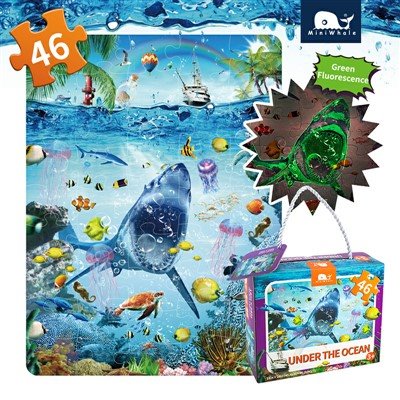
So to wrap this up: the best educational puzzles for teamwork are the ones that force collaboration by being too big for one person, give every kid a meaningful role, and let them have fun while learning. Floor maps, build-your-own theme sets, escape room puzzles, and age-appropriate large shape puzzles are the top picks because they hit all those marks. If you’re ready to grab some for your group, just get in touch with us to chat about what works for you. We’d love to help you build those teamwork skills, one puzzle at a time.
Puzzle References:
- National Association for the Education of Young Children (NAEYC). (2021). Collaborative Problem-Solving for Young Learners. Washington, DC: NAEYC.
- Child Development Research Journal. (2022). Group Jigsaw Puzzles as Tools for Peer Interaction and Teamwork. Vol. 18, No. 3, pp. 45-62.
- American Camp Association. (2023). Educational Activities for Building Social Skills in Camp Settings. Martinsville, IN: ACA.
NINGBO LOTO PACKAGE MANUFACTORY CO.,LTD
Ningbo Sentu Art and Crafts Co., Ltd. is one of the most professional educational puzzles manufacturers and suppliers in China. With abundant experience, we warmly welcome you to buy high quality educational puzzles made in China here from our factory. If you have any enquiry about cooperation, please feel free to email us.
Address: 3rd Floor, Momi Community, New Jinfeng, No. 68, Chunchao Road, Yinzhou District, Ningbo City, Zhejiang Province, Ningbo, Zhejiang, China
E-mail: sales@nbprinting.com
WebSite: https://www.lotopuzzle.net/
