If you’ve been diagnosed with Pelvic Pain Syndrome (PPS) or are currently navigating persistent, unexplained pelvic discomfort—whether it’s a dull ache, sharp stabbing, or a throbbing that lingers in your lower abdomen, pelvis, or lower back—one of the first steps your care team will likely recommend is a pelvic exam. As a provider dedicated to supporting people living with PPS, I know that the word “exam” can feel overwhelming: you might worry about pain, awkwardness, not understanding what’s happening, or even misinterpreting results. I’ve heard it all from the people we support: “Will it hurt more than the pain I’m already in?” “How do I prepare so I feel in control?” “What will my provider even be looking for?” This post will break down exactly what you can expect during a pelvic exam for PPS, demystify the process, and share how our team works alongside patients and clinicians to make PPS care more accessible and compassionate. Pelvic Pain Syndrome
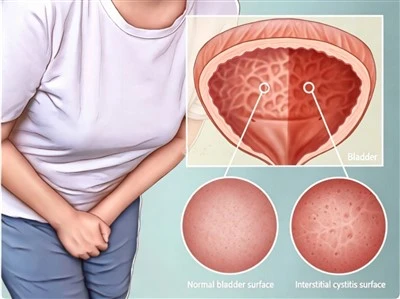
First, it’s important to clarify that pelvic exams for PPS are not one-size-fits-all. Unlike routine well-woman exams that screen for cervical cancer or sexually transmitted infections, a PPS-focused pelvic exam is targeted: its goal is to identify the root triggers of your pain, rule out other conditions that mimic PPS, and map areas of tenderness or muscle tightness that could be fueling your symptoms. Every part of the exam is adjustable based on your comfort level, and your provider should walk through every step with you before touching you—no surprises.
Before the exam even starts, there are a few things you can do to set yourself up for success, and as a PPS provider, I always recommend sharing these tips with anyone I support who’s preparing. First, come empty your bladder right before the appointment. A full bladder can add pressure to your pelvis, making any underlying tenderness feel worse, and emptying it helps your provider get a clearer view and feel of your pelvic structures. Second, wear loose, comfortable clothing that’s easy to remove—you’ll likely be asked to change into a gown, and tight pants or undergarments can increase pre-exam anxiety for people with chronic pain. Third, write down any specific questions or pain patterns you want to mention: for example, does your pain get worse when you sit for long periods? After sex? During your period? Sharing these details with your provider ahead of time helps them tailor the exam to your unique symptoms. And most importantly: give yourself permission to stop at any time. PPS is inherently linked to feelings of loss of control, and you never have to push through discomfort. A good provider will pause, check in, and adjust if something feels off.
When you walk into the exam room, your provider will start with a conversation, not a physical touch. They’ll ask you about your medical history, your pain timeline, and any previous tests or treatments you’ve tried. This is also when you should bring up any past trauma—whether it’s sexual abuse, pelvic surgery, or even a bad previous exam— that makes physical touch feel stressful. Many providers who specialize in PPS are trained in trauma-informed care, meaning they’ll work with you to build trust before moving forward. For example, they might ask, “Is it okay if I touch your knee now to test your reflexes?” or “Would you like me to explain every step out loud before we do it?” This level of communication is non-negotiable for PPS care, because pain is not just physical—it’s deeply tied to how safe you feel in your body.
Once you’ve talked through your concerns, it’s time to move to the exam table. You’ll lie on your back, place your feet in the stirrups (most providers have padded stirrups now, which make this part much more comfortable), and cover yourself with the gown so only the area being examined is exposed. Your provider will start with an external exam first, which is often the part that feels most intimidating for people with PPS, but it’s also the gentlest and most important for spotting external triggers. They’ll use their hands to feel the outside of your vulva, labia, and pelvic floor muscles for areas of tenderness, tight knots, or swelling. For example, if you have vulvodynia—a common type of PPS that causes chronic vulvar pain—this external exam will help your provider identify exactly where the pain originates. During this part, if you feel even mild discomfort, it’s okay to say, “That spot is sensitive—can we go slower?” A trained provider will adjust their pressure immediately, because pushing through tenderness here can actually make your PPS symptoms worse long-term.
After the external exam, the next step is often a speculum exam, though this is optional for many PPS patients, especially if your pain is focused on external structures or deep pelvic pain. A speculum is a small, plastic or metal tool that’s gently inserted into the vagina to hold it open so your provider can visualize the cervix, vaginal walls, and upper pelvic area. But here’s the thing: not all PPS patients need a speculum. If your provider believes a speculum isn’t necessary to diagnose your pain—for example, if your symptoms point to a pelvic floor muscle dysfunction rather than cervical or vaginal abnormalities—they may skip it entirely. For those who do need a speculum, your provider will use a lubricant (always a water-based one, to avoid irritation) and will talk you through every step: “I’m going to insert this tool now, and it will feel like a slight pressure. Breathe in through your nose and out through your mouth—slow breaths help your pelvic floor muscles relax.” Many people with PPS hold tension in their pelvic floor without even realizing it, so breathing techniques are a key part of making the speculum exam bearable. If the speculum still feels too uncomfortable, some providers can use a smaller, pediatric-sized speculum for people with more sensitive tissue, or even do a “finger-only” internal exam if that’s a better fit for your body.
The most important part of a pelvic exam for PPS is often the bimanual or rectovaginal exam, where your provider inserts one or two gloved, lubricated fingers into your vagina (or rectum, if needed) and presses on your lower abdomen with their other hand. This exam is designed to feel the muscles of your pelvic floor, your uterus, ovaries, and bladder to spot areas of tenderness, tightness, or abnormal growths that could be causing your pain. For PPS patients, this is where a lot of the diagnosis happens: your provider might press on a specific spot and say, “That’s the levator ani muscle, and it’s very tight there—this is likely where your pain is coming from.” They might also test your pelvic floor strength: asking you to squeeze like you’re stopping the flow of urine to see if your muscles are too tense (a common issue in PPS, called hypertonic pelvic floor dysfunction) or too weak.
I can’t stress enough how much care goes into this part of the exam when working with PPS patients. A provider who’s not trained in chronic pelvic pain might use firm pressure that feels like a regular checkup, but a PPS-specialized provider will use very gentle, gradual pressure, and will check in with you after every small movement. For example, they might say, “I’m going to glide my fingers slightly now—let me know if that hurts.” They’ll also look for referred pain, which is common in PPS: pain in the pelvis that radiates to the lower back, thighs, or buttocks. If you flinch or say a specific spot is tender, they’ll mark that down to build a clear picture of your pain map.
After the physical part of the exam, your provider will talk you through what they found. They might share observations like, “Your pelvic floor muscles are hypertonic—they’re holding more tension than average, which is causing your chronic pain,” or “I don’t see any signs of infection or cysts that would cause this, so we can focus on pelvic floor therapy and lifestyle adjustments.” They’ll also answer any questions you have, and may order additional tests to rule out other conditions—like a urine test to check for interstitial cystitis, or an ultrasound to look at your ovaries and uterus—because PPS is often a diagnosis of exclusion, meaning your care team will rule out other issues first before landing on PPS.
Now, you might be wondering: how does this all tie into what we do as a PPS provider? Our mission is to make every step of PPS care—from pre-exam preparation to post-diagnosis support—easier and less stressful for patients. We work closely with clinicians who specialize in pelvic pain, providing them with evidence-based resources to make their exams more trauma-informed and targeted. For patients who struggle with regular exams due to anxiety or chronic pain, we also offer tools like at-home pain monitoring kits that help track symptom patterns between appointments, so you come to your pelvic exam prepared with detailed data about your pain. We know that PPS is often isolating, and many people feel like they’re not being heard by their care teams—so we advocate for patients to have a seat at the table in every step of their care, including during their pelvic exams.
It’s also important to address some common myths about pelvic exams for PPS that I hear all the time. One myth is that all pelvic exams are painful, but that’s not true when the exam is tailored to your needs. For example, if your pain is deep pelvic pain, your provider might use a slower, more gentle technique that avoids triggering sensitive areas. Another myth is that you have to have a pelvic exam if you have PPS, but that’s up to you. If you and your provider agree that an exam isn’t necessary for your diagnosis, you can opt out, and your care team can focus on other PPS management strategies, like pelvic floor physical therapy, medication, or lifestyle changes.

If you’re gearing up for a pelvic exam for PPS, my biggest piece of advice is to be your own advocate. Bring a friend or family member with you if that helps—many clinics allow support persons to be in the exam room, and having someone to hold your hand and remind you to speak up can make a huge difference. Write down your pain symptoms ahead of time, and don’t be afraid to ask your provider to slow down, adjust their pressure, or explain something again. The best PPS care is collaborative, not one-sided.
Neurogenic Bladder If you’re looking for additional support through your PPS journey—whether that’s resources to prepare for your next pelvic exam, tools to manage pain between appointments, or help connecting with specialized providers—we’re here to help. We work with patients and clinicians across the country to make PPS care more accessible, compassionate, and effective. If you’re ready to discuss your needs, reach out to learn more about how we can support you.
References
- American College of Obstetricians and Gynecologists. Pelvic Pain in Adults: Evaluation and Management. Committee Opinion No. 750. Obstetrics & Gynecology. 2018;132(5):e224-e236.
- Institute for Clinical Systems Improvement. Evaluation and Management of Chronic Pelvic Pain. Updated 2021.
- Petrie M, et al. Trauma-Informed Care for Chronic Pelvic Pain: A Clinical Guide. Journal of Obstetric, Gynecologic, & Neonatal Nursing. 2020;49(3):245-254.
- Walling MK, Reiter RC. Chronic Pelvic Pain: An Update. Obstetrics & Gynecology Clinics of North America. 2018;45(4):695-709.
- International Pelvic Pain Society. Clinical Practice Guidelines for the Evaluation and Treatment of Pelvic Pain. 2022 Edition.
Hefei Youce Haoyi Culture Co., Ltd.
Dr. Zhang Yifei has been engaged in clinical practice for more than 30 years and he is an Associate Chief Physician in the Department of Urology. If you’re going to know the cost of pelvic pain syndrome, welcome to contact us for pricelist and quotation.
Address: Building A, Hengxing Plaza, No. 33 Tunxi Road, Baohe District, Hefei City, Anhui Province
E-mail: 16655109203@139.com
WebSite: https://www.zyfdsj.com/
