If you’re in the market for a gas furnace, you’ve probably realized it’s not just a “set it and forget it” appliance—skimp on the wrong features, and you could be stuck with sky-high energy bills, inconsistent heat, or a breakdown mid-winter. As someone who’s been supplying gas furnaces for years, I’ve seen way too many folks grab the cheapest model off the shelf only to regret it 12 months later. Let’s break down what actually matters, no jargon, no fluff, just the stuff that’ll keep your home warm and your wallet happy long-term. Gas Furnace
First up: AFUE rating. Yeah, it’s a mouthful, but it’s the single most important number to check. AFUE stands for Annual Fuel Utilization Efficiency, and it tells you how much of the gas you pay for actually turns into heat for your home, instead of going up the vent as wasted fumes. Old furnaces from the 90s might have an AFUE of 80% or lower—meaning 20 cents of every dollar you spend on gas is just lost. Today, most standard models land between 80% and 98% AFUE, and high-efficiency ones hit 95% or higher.
Wait, I get it—some people see a high AFUE and think, “That’s the best, I’ll take that!” But it’s not always that simple. High-efficiency furnaces usually come with a higher upfront cost, and if you live in a mild climate where you only use heat a few months a year, you might never make that extra cash back in lower gas bills. On the flip side, if you’re in a state like Minnesota or Maine where winters are brutal and last 6 months, splurging on a 95% AFUE unit could save you thousands over the furnace’s lifespan. As a supplier, I always ask customers about their climate first before pushing a rating—no one needs to waste money on a feature that won’t pay off for them.
Next, the type of burner. Most residential gas furnaces have either a single-stage, two-stage, or modulating burner. Single-stage is the basic one—you flip it on, it runs at full blast all the time. It’s cheap, but it turns your home into a sawtooth of hot and cold; when it’s cranking at max, it blasts warm air, then shuts off abruptly, leaving pockets of cold. That’s why you might notice some rooms are freezing while others are sweating, even when the thermostat says a set temp.
Two-stage burners, though? They run at low capacity most of the time, only kicking into high gear if it’s really cold outside. That’s way more consistent. It keeps a steady heat, so no more that-too-hot-this-too-cold mess. Modulating burners are the top tier—they adjust their output anywhere from 40% to 100% based on exactly how much heat your home needs. For big, drafty homes, or homes with multiple stories, this is a game-changer. It’s the quietest too, because it doesn’t cycle on and off like a single-stage unit. But again, it’s pricier. If you live in a small apartment with good insulation, a two-stage might be all you need, no need for modulating.
Now, something people sleep on: airflow and blower motor type. The blower is what pushes the heated air through your ductwork to every room. A standard blower motor is a fixed-speed one, which is fine, but variable-speed blowers are way better. They adjust how fast the air moves, so it’s not blasting too hard through small ducts or too slow through big ones. This means even temperature distribution (no more cold bedroom at night) and better humidity control—since air circulates more evenly, it doesn’t get too dry in winter. Plus, variable-speed blowers run 24/7 at low speed sometimes, which filters air better than a standard motor that only runs when the furnace is on. That’s a big win if you have allergies or pets shedding all over the place.
Don’t forget about the venting system. High-efficiency furnaces (90%+ AFUE) need special venting—they use PVC pipes instead of the old metal flues, because they don’t produce enough heat to burn off the moisture in exhaust gas. That means easier installation sometimes, but you have to make sure your home’s vent setup is compatible. If you’re replacing an old 80% AFUE furnace, trying to swap it for a high-efficiency one without redoing vents can lead to issues, like condensation buildup which rusts parts. I’ve had customers come to me with that problem before, so always double-check vent compatibility before buying.
Noise level is another underrated feature. How much does your furnace bug you while it’s running? A single-stage unit at full blast can sound like a lawnmower outside your window, which is annoying if your bedroom is right above the basement. Two-stage and modulating burners, plus variable-speed blowers, are way quieter. Look for units with a noise rating (measured in decibels) under 60 dB— that’s about as loud as a normal conversation. Anything over that, and you’ll notice it every time the furnace kicks on.
Warranty, obviously, matters. A good furnace is a big investment, so you want backup if something breaks. Most reputable suppliers offer parts warranties that range from 10 to 20 years for the heat exchanger (the part that produces the heat)—that’s the most expensive part to replace, so a long warranty here is non-negotiable. Labor warranties are also a thing, but those depend on who installs it, so make sure your HVAC tech is licensed and their work is covered. Avoid no-name brands with 2-year warranties—chances are, those units will break right after the warranty runs out, and you’ll be paying for a new one sooner than you think.
Wait, what about smart features? Thermostats are smart now, but some furnaces work with them too. If you have a Nest or Ecobee, look for a furnace that’s compatible with Wi-Fi thermostats. That way, you can adjust the temp from your phone, set schedules when you’re not home, and even get alerts if the furnace is acting up before it breaks. Some units even have built-in air quality sensors, so they adjust heating based on humidity or pollutants. Again, not a must-have for everyone, but it’s a nice perk if you’re tech-savvy and want more control.
Let me wrap this up with a couple of mistakes I see customers make all the time. First, buying the wrong size furnace. A lot of people think “bigger is better,” but no—an oversized furnace cycles on and off way too much, which wears it out faster and uses way more gas. An undersized one runs nonstop and still can’t heat your home. Always get a load calculation done by a pro to find the right size for your square footage, insulation, and climate. That’s way more important than any single feature. Second, skipping maintenance. Even the best furnace will break early if you don’t change the air filter every 1-3 months, get a tune-up once a year. As a supplier, we always remind customers that a $50 filter change and $100 tune-up is way cheaper than a $3,000 new furnace.
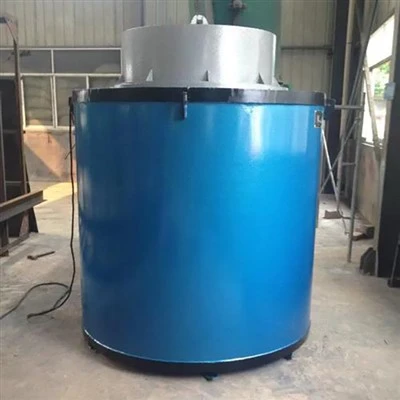
At the end of the day, the best gas furnace for you depends on your home, your budget, and how often you want to deal with repairs. If you’re still stuck on what’s right, don’t hesitate to reach out to chat through your options. No hard sells, just straight answers—we’ve helped tons of folks find the perfect fit for their homes, and we’d be happy to do the same for you.
Tempering Furnace References
- U.S. Department of Energy. (2024). Gas Furnace Buying Guide.
- Air Conditioning Contractors of America (ACCA). (2023). Residential Furnace Efficiency and Performance Standards.
- Consumer Reports. (2024). Gas Furnace Reliability and Features Review.
- North American Technician Excellence (NATE). (2023). HVAC Maintenance Best Practices for Gas Furnaces.
Danyang Dingfeng Industrial Furnace Co., Ltd.
Danyang Dingfeng Industrial Furnace Co., Ltd. is one of the most experienced gas furnace manufacturers and suppliers in China, also supports customized service with low price. Please feel free to wholesale high quality gas furnace made in China here from our factory. For pricelist, contact us now.
Address: Lizhuang Economic Development Zone, Danyang City
E-mail: saleszk@dffurnace.com
WebSite: https://www.dffurnace.com/
