Hey folks, if you’ve ever scratched your head thinking “wait, can my flat end mill actually cut this material?” — you’re not alone. As a flat end mill supplier, I get at least 5 of these exact questions every single day, and honestly? It makes total sense. Not every cutting tool works for every job, and messing up here means wasted material, broken tools, or just plain bad parts. So let’s break this down like we’re grabbing a coffee and geeking out over metalworking (no stuffy textbooks, promise). Flat End Mill
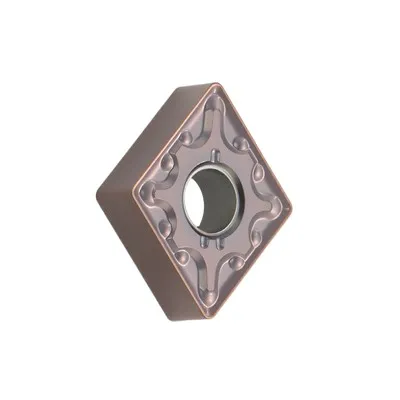
First off, let’s recap what a flat end mill even is, in super simple terms. It’s that tool you’ve probably seen sticking out of a CNC router or milling machine — it has flat ends and side edges, not rounded like a ball nose end mill, not angled like a bull nose. That flat end is a game-changer because it lets you make squared cuts, plunge straight down into material, and carve out sharp corners that other tools can’t pull off. But that geometry also means its cutting forces are a little different than other mills, so it’s picky about what it can handle. Let’s go through the materials we sell flat end mills for, and the ones you probably shouldn’t even try (pro tip: skip the latter).
Starting with the big one: steel. This is bread and butter for most of our customers, right? We’ve got three main types of steel people come to us for, and our standard flat end mills crush all of them. First is carbon steel — think structural steel for buildings, steel plates, automotive parts. It’s sturdy, not too tough, and our high-speed steel (HSS) or carbide-tipped flat end mills slice through this like butter, as long as you’re using the right feed rate and speed. No rushing here — crank it too fast and you’ll burn the edge of the mill, which makes it dull super quick. Next is alloy steel, which has extra stuff like chromium or nickel added for strength (think tool steel, spring steel). This is a little tougher than carbon steel, so you’ll want a solid carbide flat end mill here — it’s harder, holds an edge way better, and doesn’t flex when you’re cutting through that extra tough alloy. I once had a customer try using a cheap HSS mill on hardened alloy steel and he snapped three tools in an hour. Oops. Third is stainless steel, the bane of many a machinist’s existence. Stainless is gummy — it sticks to tool edges, causes built-up edge (BUE for short, you’ll see that everywhere in this industry), which ruins your cut. But here’s the thing: our specific coated flat end mills (think TiN, TiCN, or the newer TiAlN ones) are made to fight that gummy gunk. We suggest slower speeds, higher feed rates, and plenty of coolant for stainless — it works, just don’t skip the coolant, I beg you.
Next up: aluminum. This is another huge one, especially for aerospace, automotive, and hobbyists doing CNC projects. Aluminum is soft, lightweight, and so much easier to machine than steel, but it has its own quirks. The big thing here is that aluminum produces super fine, stringy chips that can jam up your machine if you’re not careful. Our solid carbide flat end mills (sometimes with a polished flute) are perfect for aluminum because the smooth flutes let those chips evacuate fast. Also, aluminum has a tendency to melt if you run it too hot, so you’ll want flood coolant or even mist coolant to keep it cool. We’ve got customers who use our aluminum-specific flat end mills to cut 6061 aluminum (the most common type) for everything from phone cases to motorcycle parts, and they swear by it. Just a quick heads up: don’t use a mill that’s meant for steel on aluminum — the coatings and flute geometry are totally different, and you’ll end up with a rough cut.
Now, for the plastics crowd — this is a big group, from industrial manufacturers to hobbyists. Flat end mills work great on most plastics, but again, it depends on the type. Let’s split this into two categories: soft plastics and hard plastics. Soft plastics like ABS, acrylic (PMMA), PVC, and polycarbonate (Lexan) are super easy to cut. Our standard HSS or carbide flat end mills work here, but you have to be careful with melting. Plastics melt way easier than metals, so slow down a little and use a sharp tool — a dull mill will rub instead of cut, which melts the plastic and leaves that ugly, fuzzy edge or even warps the part. For hard plastics like nylon, PTFE, or Delrin, they’re a touch tougher, but still no problem. Wait, PTFE is actually pretty gummy too, just like stainless — so a coated flat end mill will help prevent BUE there too. I once had a customer cut a whole batch of acrylic signs with a dull mill and ended up having to sand every single edge for an extra hour. Don’t be that guy — keep your tools sharp for plastics.
Then there’s wood. Whether you’re a hobbyist building furniture, a sign maker, or someone running a big CNC router for cabinetry, flat end mills are everywhere in woodworking. Wood is soft, but it can have knots, grain, and even metal debris if you’re cutting reclaimed wood, so you need the right mill. Our high-speed steel flat end mills work great for softwoods like pine or cedar, but for hardwoods like oak, maple, or even plywood, you’ll want a carbide-tipped flat end mill. The carbide edges hold up against the harder grain and any small knots that would chip a cheap HSS mill. One thing to note: when cutting wood, you don’t usually need coolant — in fact, it can make the wood swell and cause splintering. Just use the right speed and feed, and a down-cut or up-cut flat end mill depending on if you want a clean top or bottom edge. Down-cut is great for preventing tear-out on the top, up-cut for the bottom.
Wait, what about other stuff? Like composites? Oh right, composites are super popular now for aerospace, marine, and automotive parts — carbon fiber reinforced polymer (CFRP), glass fiber reinforced polymer (GFRP). This is a tricky one because those fibers are super abrasive. You can’t use a regular flat end mill for composites — the abrasive fibers will dull the edges so fast it’s not even funny. We make special solid carbide flat end mills with diamond coatings that are built to cut through those tough fibers without getting dull. A lot of our aerospace customers swear by these for cutting CFRP panels, and they last way longer than standard mills. Just make sure you don’t delaminate the composite when cutting — use sharp tools and the right feed rate to avoid that.
Now, let’s talk about the materials that, uh, you shouldn’t use a flat end mill for. Wait, are there any? Sort of, if you’re using the wrong mill. Like, really, really hard materials — think hardened steel over HRC 55, ceramics, or tungsten carbide. Our standard flat end mills will just snap or dull instantly. You need super hard tools like cubic boron nitride (CBN) or diamond-coated mills for those. Also, very brittle materials like cast iron? Wait, no — wait, cast iron actually works, but it’s a special case. Cast iron is brittle, so it produces really coarse, powdery chips. You need a flat end mill with a rigid geometry to handle it, and flood coolant to flush away those chips, otherwise you’ll get built-up edge too. Don’t use it on stuff like glass unless you have a diamond flat end mill made specifically for cutting glass — that’s a whole different ballgame, not the regular ones we sell.
A quick note on how the mill itself affects what it can cut, because that’s what we care about as a supplier. It’s not just the material you’re cutting, it’s the mill’s specs. Flute count: more flutes mean a smoother finish, but less chip space — so better for softer materials like aluminum or wood, where chips are small. Fewer flutes mean more chip space, good for deep cuts in steel where you need room for big chips. Coatings: TiN for general use, TiCN for harder materials, TiAlN for high-temperature cuts, diamond for composites. End mill geometry: roughing vs finishing. Roughing mills have big, aggressive flutes to remove material fast, leaving a rough finish. Finishing mills have sharper edges and smaller flutes for a smooth, clean cut. If you try to use a roughing mill for a finishing job, you’ll get a rough cut that needs sanding.
Wait, let’s get real with a customer example to make this not just theory. Last month, we had a guy reach out super stressed. He was building custom motorcycle parts, and he had been using a cheap no-name flat end mill to cut 4140 alloy steel. Every time he’d cut a slot, the mill would snap, and he’d lose the whole part. We sent him our solid carbide roughing flat end mill with a TiCN coating, explained the right feed and speed for 4140. He texted me an hour later saying he’d cut 12 slots without a single broken tool, and the finish was way better than before. That’s the stuff that makes this job worth it, right?
Another example: a sign maker who was cutting acrylic signs for local businesses. He was using a dull HSS flat end mill, and every edge was fuzzy, so he had to sand each one for 10 minutes. We recommended a new polished carbide flat end mill for plastics, and he told me he cut 50 signs that week without any sanding. Saved him hours of work, and his customers were so happy with the clean edges.
So, to wrap this up (no pun intended, but it fits), flat end mills are super versatile, but only if you match the right mill to the right material. The key is knowing what you’re cutting, then picking a mill that’s built for that material, not just grabbing the cheapest one you can find.
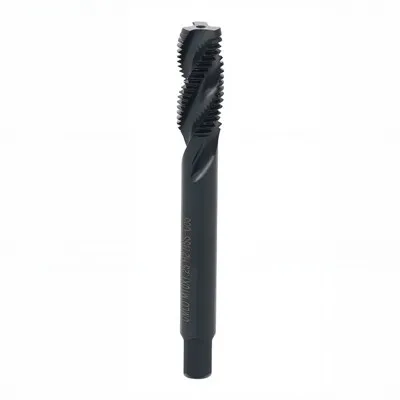
If you’re not sure which flat end mill you need for your project — whether it’s cutting steel, aluminum, plastic, wood, composites, or anything else — hit us up to chat. We don’t do pushy sales stuff, we just give real advice based on what’s worked for our other customers. We’ve got all kinds of flat end mills tailored to different materials, so we can help you find the exact one that will save you time, money, and hassle.
Face Mill Cutter Heads References
Machining Data Handbook, 4th Edition. Society of Manufacturing Engineers.
Metal Cutting Theory and Practice, 2nd Edition. CRC Press.
Plastics Materials and Processes: A Concise Encyclopedia. William Andrew Publishing.
Composite Materials: Science and Engineering, 2nd Edition. Springer.
Small Craftsman (Shandong) Machine & Tools Co., Ltd.
Small Craftsman (Shandong) Machine & Tools Co., Ltd. is one of the most experienced flat end mill manufacturers and suppliers in China, also supports customized service with low price. Please feel free to buy bulk high quality flat end mill in stock here from our factory. Contact us for pricelist.
Address: No.9 Quanxin Rd., Sishui Economic Developing Zone, Jining, Shandong, China.
E-mail: 6196@ocutchina.com
WebSite: https://www.ocutooling.com/
