If you’ve ever dealt with a vacuum pump that suddenly stops pulling hard enough or makes weird noises out of nowhere, you know how frustrating it is—especially when it halts production or throws your maintenance schedule off. As a supplier of vacuum pump bearings, I’ve seen way too many pump issues boil down to worn bearings, and a lot of operators miss the early warning signs before a small problem becomes a total pump failure. Let’s break down the real, common symptoms of worn vacuum pump bearings, what they actually feel like in your shop, and what you can do about it before it’s too late. Vacuum Pump Bearings
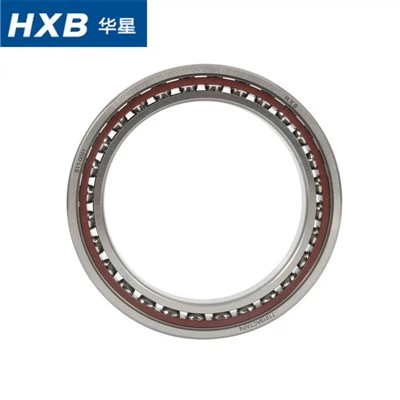
First, let’s get a quick baseline: vacuum pump bearings are the unsung heroes of your pump. They support the rotor, maintain proper alignment between moving parts, and keep everything spinning smoothly under high stress—whether that’s in a manufacturing facility, a lab, or a food processing plant. Over time, though, heat, contamination, or just regular use wears them down, and the symptoms don’t always show up out of the blue. Most of the time, they creep in slowly, so you might brush them off as “normal wear” until the pump dies on you.
Let’s start with the most obvious (and often ignored) one: unusual noise. I can’t tell you how many times a customer has come to us saying, “My pump started making this racket—what’s wrong?” And 9 times out of 10, it’s worn bearings. New, healthy vacuum pumps sound consistent—low hum, steady, no surprises. Worn bearings give you a range of weird sounds, and each one tells you something. A high-pitched squeal? That’s usually the bearing’s lubrication drying out or the rollers being pitted from metal-to-metal contact. A rough growl or grinding noise? That’s worse—likely the bearings are seized or the raceways are damaged, and if you don’t act fast, the rotor will rub against the pump housing, causing even more expensive damage. I once had a customer who ignored a squeal for two weeks; by the time they called us, the rotor was scratched so bad they had to replace the whole pump, not just the bearings. Don’t be that guy.
Next, there’s a drop in vacuum performance that can’t be explained otherwise. Let’s say your pump used to hit 29.5 inHg in 2 minutes, and now it takes 5 minutes, or it only gets to 27 inHg—no leaks, no clogged filters, all other systems check out. That’s a classic sign of worn bearings. How does that connect? When bearings wear, the rotor loses its proper alignment. It might wobble slightly, which creates extra friction inside the pump, so the motor has to work harder to spin it. That extra friction robs the pump of the energy it uses to pull a vacuum, so performance drops. I’ve had customers test their vacuum gauges, check for air leaks with soapy water, replace filters, and still see poor performance—until we swapped out their old, worn bearings. It’s the hidden culprit more often than you think.
Another symptom: increased vibration that you can feel, not just hear. A little vibration from a running pump is normal, especially if it’s been in use for a while. But if you notice the pump itself shaking on its mount, or you can feel it through the workbench it’s sitting on, that’s a red flag. Worn bearings create uneven rotation of the rotor, which throws the whole pump out of balance. That extra vibration doesn’t just damage the bearings themselves—it can also loosen seals, crack hoses, and shorten the life of other pump parts, like the impeller or shaft. I’ve seen mounts crack because of unaddressed vibration from bad bearings, leading to even more downtime. If your pump feels like it’s “jiggling” more than usual, don’t write it off as “just how it runs.”
Heat buildup is another big one. Vacuum pumps run hot, obviously, but if the surface of the pump housing or the area around the bearings feels excessively hot—like too hot to hold your hand on for more than a couple seconds—that’s a sign. Healthy bearings run at a steady, moderate temperature, usually only a bit warmer than ambient air. When bearings wear, the friction between the worn rollers and raceways spikes, and that creates way more heat. If you don’t replace the bearings soon, that heat can break down the lubricant inside the pump, cause the bearings to seize, or even melt plastic parts. I always tell customers: if your pump feels like it’s running a fever, check the bearings first.
Wait, there’s a less obvious symptom too: higher energy usage. If you’ve been tracking your motor’s electricity bills or power draw, and suddenly your pump is using 10-15% more energy than it used to, that’s not a coincidence. As bearings wear, the motor has to work harder to overcome the extra friction from misaligned, wobbly rotor. That means more amps drawn, higher power costs, and unnecessary stress on the motor itself. A lot of operators don’t track power usage closely, but if you’re noticing your utility bills creep up for no other reason, check the bearings. It’s an easy, often overlooked red flag.
Now, let’s talk about what happens if you ignore these symptoms. Worn bearings don’t just cause a minor inconvenience. They can lead to full pump failure, which means unplanned downtime—something every facility hates. I’ve had manufacturing customers lose a full day of production because a pump seized up due to bad bearings, costing them thousands in lost output. Worse, the damage can be cascading: a wobbly rotor can scratch the pump housing, which means you have to replace not just bearings, but the housing too. Or the seized bearings can burn out the pump motor, adding even more to the repair bill.
As a supplier of vacuum pump bearings, I’m not here to scare you—but I am here to make sure you know what to look for. The good news is that replacing worn bearings is way cheaper and faster than replacing a whole pump or repairing secondary damage. Most of the time, it’s a straightforward job for a maintenance tech, and it can be done during a scheduled shutdown instead of an emergency.
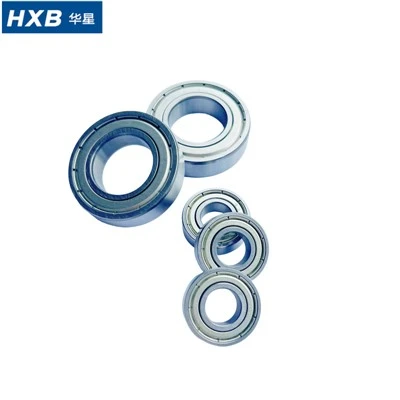
So, what should you do if you notice any of these symptoms? First, do a quick check: listen for unusual noises, feel for excess vibration, test your vacuum level, and keep an eye on power usage. If it’s bearing-related, you don’t have to wait for total failure. We work with all types of vacuum pumps—from rotary vane to diaphragm to claw pumps—and we carry high-quality, precision bearings designed to handle the specific demands of vacuum pump applications. We also help you pick the right bearings for your model, so you don’t end up with the wrong size or type that will wear out faster.
Agriculture Bearings If you’re tired of unexpected pump breakdowns, or you’ve noticed any of these symptoms in your own equipment, don’t hesitate to reach out to us. We can walk you through diagnosing the issue, recommend the right bearings, and even share tips for proper installation and lubrication to make your new bearings last longer. You don’t have to wait until your pump dies to take action—catching worn bearings early saves you time, money, and stress in the long run.
References
- American Gear Manufacturers Association. “Bearing Failure Analysis and Prevention.” AGMA Technical Report, 2021.
- Vacuum Technology & Coating. “Common Issues in Rotary Vane Vacuum Pumps: Bearings and Alignment.” January 2022.
- Noise and Vibration Control for Industrial Machinery. Industrial Press, 2020.
- Energy Efficiency Guidelines for Vacuum Pump Systems. U.S. Department of Energy, 2021.
Hangzhou Huaxing Kechuang Holding Group Co., Ltd.
Hangzhou Huaxing Kechuang Holding Group Co., Ltd. is one of the leading manufacturers and suppliers of vacuum pump bearings in China, featured by quality products and good service. Please rest assured to buy bulk durable vacuum pump bearings from our factory. Welcome to view our website for more information.
Address: No.553 Yingbin Road, Linping, Hangzhou, 311100, China
E-mail: wmb@huaxingbearing.com
WebSite: https://www.hxbbearing.com/
