Hey everyone, thanks for swinging by my corner of the web. I’m part of a dry type transformer supplier—you might’ve seen me geeking out about these on LinkedIn or random industry group chats—and every single week I get the same question slide into my DMs: “What’s actually the difference between dry and oil type transformers?” It’s such a fair ask, too, because transformer tech can feel like a foreign language if you’re not knee-deep in it. A lot of folks just go with what they know, or what their electrician buddy recommends, without digging into the small, make-or-break details that can save you cash, hassle, and even a whole lot of stress down the line. Dry Type Transformer
Let’s start with the basics, no fancy jargon promise. Both transformers do the same core job: they bump voltage up or down to get electricity where it needs to go safely. Like, your local power company cranks voltage super high to send it across town with barely any energy loss, and then transformers drop that number way down so it works for your office or warehouse equipment. The big split? How they cool and insulate the parts that make that voltage shift happen. That’s where dry vs oil type come in.
First up, dry type transformers, my bread and butter. Instead of oil, we use… well, air, mostly, sometimes a resin or non-flammable gas to amp up cooling and insulation. Wait, let me clarify that—we’re not talking about the same “dry” as a t-shirt you left out in the sun. It’s technically “dry-insulated.” Most of the ones my team sells are either cast resin or vacuum pressure impregnated (VPI). Cast resin means we wrap the copper windings in epoxy resin, bake it till it’s solid, so it acts like both insulator and cool guard. VPI is similar, but we suck all air out of the windings before soaking them in resin, so there’s zero gaps where moisture or dust can sneak in. That’s a huge win for durability, right?
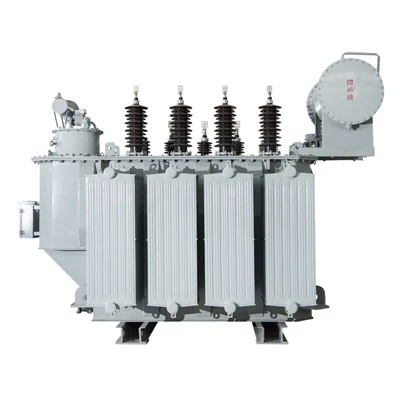
Now oil type. These bad boys use mineral oil (or sometimes a bio-based oil these days, but most are still mineral) to insulate and cool. The oil surrounds the windings, absorbs the heat they make, and circulates through the transformer’s tank. A lot of old-school setups use these, but let’s be real—oil has a reputation for being messy. If a leak happens, you’ve got a slick, flammable mess to clean up, not to mention it’s a hazard if something overheats too much.
Let’s break down the nitty-gritty differences that actually matter for end users, not just engineers. First, safety. Dry type transformers are non-flammable—full stop. The resin we use won’t catch fire easily, and there’s no oil to spill or burn. That’s why they’re the go-to for places packed with people: malls, schools, hospitals, apartment buildings, even downtown office towers where fire codes are super strict. I remember a big project we did last year for a new elementary school; the local fire marshal straight up said oil type was off the table because it’s a zone with tons of little kids, and even a tiny leak could cause a dangerous fire. Oil type? They’re fine for outdoor substations, remote warehouses, or industrial yards where there’s no risk of human exposure, but push comes to shove, dry is way safer for high-foot-traffic areas.
Next up, maintenance. Let’s be honest—no one wants to spend every month tinkering with their transformer. Dry type? Low-key, like once a year max, maybe a quick dusting if it’s in a super dusty factory. No oil to check, no leaks to hunt for, no oil quality tests to run. Oil type? Total opposite. You’ve got to monitor oil levels constantly, test for moisture and contaminants, clean the cooling fins on the tank, and replace oil every few years when it breaks down. Last quarter, a client called me panicking because their oil type transformer started leaking—turns out a rusted valve got old, and they lost 20 gallons of oil into their parking lot. That’s not just a mess; environmental regulators fined them $10k before they even fixed the leak. Dry type would’ve had zero of that headache.
Location flexibility? Game changer. Dry type can go almost anywhere. Indoor spaces, basements, even right next to a server room or a warehouse’s production line. No big concrete containment pads required because there’s no flammable oil to contain. Oil type? You can’t just plop it down anywhere. If it’s indoor, you need a fire-rated room with special ventilation, and sometimes even double containment walls to catch any oil spills. If it’s outdoor, you need a permanent pad, maybe a fence, and access for people to do those annoying oil tests. We recently sold a compact dry type unit for a startup’s tiny urban office—they had zero extra space, and the unit fit right in a closet. They couldn’t have done that with an oil type without tearing out a wall to make a whole dedicated room.
Cost, let’s talk money, because that’s always top of mind. Upfront, dry type is a little pricier than oil type, usually 15-25% more depending on size. But wait—run the long game numbers, not just the sticker price. Maintenance costs for oil type add up fast: oil changes, leak repairs, compliance tests, environmental fees. I’ve seen clients pay double the upfront difference every 5 years just in upkeep for oil type. Plus, downtime. If an oil transformer leaks or fails, it’s way more work to fix, so your facility is out of power longer. Dry type fails way less often, and when they do, repairs are faster and cheaper because there’s no oil to deal with. A client in the grocery business told me last year that their old oil type transformer went down during a holiday weekend—they lost $80k in perishable stock before a crew could get there to fix the oil leak. Switching to dry type cut their repair time by 75%, and no more lost inventory from oil-related issues.
Wait, but let’s not act like oil type has zero perks. They’re way better for high-capacity, long-haul applications, right? Like big power substations that handle hundreds of thousands of volts. Oil is a way better coolant for those huge loads, because it absorbs heat more efficiently than air, so oil type can handle way higher power ratings in a smaller, lighter package. If you’re running a remote solar farm that’s 10 miles from the nearest town, oil type is probably the way to go, because you don’t need to worry about human exposure, and the high capacity makes sense. But for most of the small to mid-range setups—100kVA to 2MVA, which is what 90% of our clients buy—dry type is the smarter pick.
Another thing I get asked a lot: noise. Dry type transformers are way quieter. Because there’s no oil sloshing around inside the tank, and the cooling fans (we use quiet, energy-efficient ones now) only kick in when needed. Oil type? The oil circulates, and the hum from the core and windings is way louder. If you’re putting a transformer near a loading dock or an office break room, you don’t want a constant hum from oil type that makes it hard to talk or work. Dry type is almost unnoticeable after installation.
Wait, let’s clear up a common myth too: dry type transformers aren’t just smaller, they’re more efficient these days. Newer tech has cut down energy loss by like 20% compared to older dry units, and way more than oil type in small to mid sizes. That means lower electric bills over time, which adds up. For a 500kVA unit, that’s like $1,200 a year in energy savings. Over 20 years, that’s $24k—way more than the extra upfront cost of dry type.
I should also mention environmental stuff, because it’s a big deal now. Oil type transformers use mineral oil, which is a fossil fuel product, and if it leaks, it’s toxic to soil and water. Many cities now have strict rules about oil storage, so you can’t just dump old oil or ignore leaks. Dry type uses epoxy resin, which is non-toxic, and there’s no oil to spill. I had a client in a downtown apartment building last year who almost got fined because their old oil transformer leaked into the storm drain. Switching to dry type meant no more compliance headaches, and they even got a small green building credit from the city.
Now, who should go which? Let’s make it concrete. Pick dry type if you’re working in a school, hospital, mall, office tower, apartment building, indoor warehouse, or any space with lots of people. If you need it in a tight, indoor space with no room for a dedicated oil room, or if fire code is a top priority, dry is your guy. Pick oil type if you’re dealing with a big outdoor substation, a remote industrial site, or a high-capacity setup (over 2MVA) where the power load is massive and there’s zero risk of human exposure.
At the end of the day, it all comes down to your specific needs. I’ve seen so many clients go for the cheaper oil type upfront, only to regret it within 3 years when maintenance costs pile up or they hit a compliance wall. I’m not here to bash oil type—we sell some too, for clients that need them—but my team lives and breathes dry type, and we’ve seen firsthand how much better it works for most of the projects our clients bring to us.
Dry Type Transformer If you’re stuck between the two, no stress. I get it, transformer tech is confusing. Just shoot me a message, tell me your setup, your location, and what you’re using the transformer for. We’ll walk you through the pros and cons specific to your project, no sales pitch, no jargon, just straight answers. Whether you’re outfitting a new office, replacing a failed unit in a school, or building a warehouse, we’ve got the dry type transformers that fit, and we’ll make sure you pick the right one for your needs. Don’t waste time guessing—reach out and let’s chat about your requirements.
References
- National Electrical Manufacturers Association (NEMA) Standards for Dry-Type Transformers, 2022
- International Electrotechnical Commission (IEC) 60076-11: Power Transformers – Part 11: Dry-Type Transformers, 2018
- Occupational Safety and Health Administration (OSHA) Guidelines for Electrical Equipment Safety, 2023
- U.S. Environmental Protection Agency (EPA) Spill Prevention, Control, and Countermeasure (SPCC) Rules for Oil-Containing Equipment, 2021
- Department of Energy (DOE) Energy Efficiency Standards for Transformers, 2022
Zhejiang Tianrun Electric Co., Ltd.
Zhejiang Tianrun Electric Co., Ltd. is one of the most professional dry type transformer manufacturers and suppliers in China, featured by quality products and good price. Please feel free to buy CE approved dry type transformer made in China here and get quotation from our factory. We also accept customized orders.
Address: No.788 Wenyi Road, Bihu Industrial Park, Liandu District, Lishui City, Zhejiang Province, P.R. China
E-mail: luna@trne-electric.com
WebSite: https://www.trne-electric.com/
