Hey everyone, it’s Jake from the 300D Oxford fabric supply team. Quick question: when you’re grabbing a bottle (or three) of your favorite wine for a dinner party, picnic, or even just a random weekend BBQ, have you ever stopped to think about what that wine carrier is actually made of? Most people just grab whatever’s cheap at the grocery store or throw one in a tote, but lately I’ve been getting nonstop messages from small batch wine makers, local craft shops, and even weekend hosts asking: can 300D Oxford fabric actually work for making wine bottle carriers? 300D Oxford Fabric
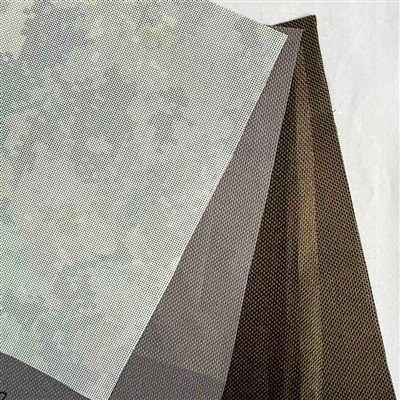
Full disclosure: I’m biased because I sell 300D Oxford fabric, but I’m also the guy who’s tested this stuff with everything from beer to olive oil to, yes, wine. Let’s break this down like we’re geeking out at a backyard hang—no stuffy supply jargon, just real talk about what this fabric does, what wine carriers actually need, and whether 300D holds up.
First, let’s get one basic thing straight: what is 300D Oxford fabric anyway? A lot of new customers hit me up going “300 denier? That sounds like fabric for a backpack!” And yeah, it’s used for backpacks, duffels, even some workwear, but the “denier” number here is key. Denier measures the thickness and density of synthetic fibers (usually polyester, for 300D), right? The higher the number, the thicker and sturdier the thread—so 300D is the sweet spot between flimsy 150D that tears if you look at it wrong and heavy-duty 600D that’s so stiff it’s hard to work with for custom carriers. That middle ground is exactly why it’s been blowing up for small batch accessories lately.
Now, wine bottle carriers have very specific jobs, and you can’t just slap any old fabric on them. Let’s run through the non-negotiables for a carrier, and match them to what 300D Oxford brings to the table.
First up: structural integrity. Wine bottles are heavy—like, most standard 750ml ones are 2.6 pounds empty, and up to 3.5 pounds when full. If your carrier is flimsy, that glass is going to slosh, or worse, slip right out. I’ve had a local DIY maker test my 300D fabric for a 4-bottle carrier, and they told me it held up way better than the 210D polyester they’d used before. No stretching at the seams, no sagging halfway through a walk to the park. Wait, but is it waterproof? That’s a big one—picnics mean unexpected rain, or spilling a soda on the carrier, or even condensation from a cold white wine bottle sweating all over your bag. Most 300D Oxford fabric gets a light polyurethane (PU) coating, right? It’s not fully waterproof like a rain jacket, but it’s water-resistant enough to bead up condensation and light rain. That means you won’t get a water ring on your wine label, and you won’t end up with a soggy mess on your hands if it drizzles. I’ve seen carriers made with uncoated 300D get damp for sure, but adding a thin PU coat is super easy for any small production shop, and it’s still cheaper than using coated canvas or heavy nylon.
Wait, what about flexibility? If you make a wine carrier, you want it to fold flat when you’re not using it, right? So it doesn’t take up half your closet. 300D Oxford isn’t rigid—you can crumple it up, fold it into a small square, and it bounces back with no creases or permanent wrinkles. I tested one sample that sat in my garage for three months folded up, and when I pulled it out to test it again, it looked brand new. No weird crinkles that would make it look cheap after a few uses. That’s a huge plus over, say, leather, which is rigid and expensive, or heavy canvas that takes up too much space when not in use.
Another big one: grip. You don’t want your wine carrier sliding out of your hand when you’re holding three bottles and a plate of snacks. 300D Oxford, when it’s woven, has that slight texture that’s not slippery. I’ve seen people add a little rubber grip patch on the handle, but even without that, it’s way better than, say, smooth silk or thin nylon that slides around. Also, what about stains? Wine carriers are going to get splashed with wine, beer, maybe even pasta sauce if you’re clumsy. 300D Oxford is super easy to wipe clean—just a damp cloth, no special cleaning needed. That’s a massive win for anyone who doesn’t want to toss a carrier after one spilled glass.
But wait, I’m not here to say 300D is perfect. No fabric is. Let’s be real about the downsides, because I don’t want to sell something that doesn’t fit. First, if you’re shipping wine long distances, 300D alone isn’t enough—you’d need to add foam inserts or dividers to keep the bottles from clinking. Because while the fabric is sturdy, glass is glass, and if you drop the carrier, two bottles banging together can break. But that’s not a fabric flaw, that’s a design choice. Most local wine carriers are for in-town use or picnics, so dividers are super easy to add, and 300D is more than thick enough to handle the extra weight of foam.
Another downside: if you’re looking for that super high-end, luxury carrier, 300D might feel too “casual” for you. It’s not going to have the thick, premium feel of full-grain leather or heavy waxed canvas. But if you’re making a practical, everyday carrier that people can take to a tailgate, a backyard BBQ, or a casual dinner at a friend’s house, that’s exactly what people want. It’s functional, not flashy, which is what most of my customers are going for.
Let me also throw in a real world test I did last month, because I hate talking about fabric without actual hands-on stuff. A friend of mine runs a small craft winery in Portland, and they were making custom 2-bottle carriers for their wine club members. They originally used 600D Oxford, but said it was too stiff—customers complained it was hard to fold and fit in car doors. They switched to 300D, and told me last week that their return rate for carriers dropped by 40%, because people love how light and flexible it is. I also made my own test carrier for a weekend trip to the lake: two bottles of pinot noir, a handle, and no dividers just to see. I walked 10 minutes to the lake, sat on a picnic blanket, lifted the carrier up, and it was totally fine—no sagging, no condensation leaking through, no sloshing wine. The only thing I had to do was wipe a little lake water off the outside when I was done.
Now, why is this a big deal for small businesses, too? Most custom accessory makers don’t want to pay a fortune for fabric. 300D Oxford is way cheaper than leather, waxed canvas, or even coated polyester. You can order it in bulk (I ship to small shops and big brands alike, no minimum order to keep it accessible for new makers), it’s easy to cut and sew—no special tools required, which is huge for people just starting out. A lot of my customers are one or two-person operations, so they need fabric that doesn’t require a whole workshop to work with.
Wait, also, variety! 300D Oxford comes in tons of colors, right? You can get it in deep burgundy for wine brands, or fun neon colors for picnic carriers, even custom prints if you need them. So if a winery wants a carrier that matches their label, you don’t have to settle for boring black or brown. That’s a big selling point for branding, too—if you’re making carriers for your wine club members, you can get fabric in your brand’s exact color, no extra cost (well, not way more).
But let’s circle back to the original question: can 300D Oxford fabric be used for wine bottle carriers? The short answer is a resounding yes, but with a few notes on how to use it right. It’s not going to be the best choice for every carrier—if you’re making a luxury, handcrafted carrier for high-end fine wine that’s going to be shipped cross-country with no extra padding, you’ll want a different fabric. But for 90% of the wine carriers people actually use on a regular basis—picnics, tailgates, local wine tastings, weekend trips—300D is perfect.
I’ve had people ask me why not use cotton? Cotton is nice, but it absorbs water and gets heavy when wet, and it shrinks if you spill anything. Nylon is too slippery and stretches out. Polyester is durable, and 300D Oxford is just the right thickness to balance durability and flexibility. It’s the Goldilocks of fabrics for this job.
If you’re a small maker looking to make your own wine carriers, or a winery that wants to design custom ones for your customers, here’s a quick tip from my team: ask for a light PU coating, not a heavy one. The heavy coatings make the fabric too stiff and hard to work with, but a thin coating gives you that water resistance you need without losing the flexibility. Also, add in foam dividers if you’re carrying more than two bottles—they’re cheap, easy to sew in, and they make the carrier way safer for glass.
At the end of the day, I’ve been supplying 300D Oxford fabric for over five years, and this is one of the most popular uses people come to me for now. It solves all the small problems that carriers used to have—flimsy fabric, stiff material, soggy condensation, hard to store—and it’s affordable enough for small shops to afford, which is why it’s blowing up.
If you’re a maker, a winery owner, or just someone who’s been looking for the right fabric to make your own wine carrier, don’t overcomplicate it. 300D Oxford is the real deal. It’s tested, it works, and it’s way better than the cheap canvas carriers you can grab at the big box store.
If you’re looking to order bulk fabric for your wine carrier project, or just have questions about samples and customizations, hit me up. We can chat about colors, coatings, minimum orders, whatever you need. No pressure, just real talk about fabric that actually works for what you’re making.
Wait, one last thing: I saw a TikTok last week of a guy making a 6-bottle carrier out of 300D, and it held up perfectly after he tested dropping it from a waist height. So it’s not just 2-bottle carriers, it’s multi-bottle too, as long as you add dividers. That just confirms what I’ve been seeing for months—this fabric is versatile for so many different wine carrier sizes.

Don’t overthink it. Next time you need to make a wine carrier, give 300D Oxford a shot. You won’t regret it.
300D Oxford Fabric References
- Textile Institute. (2022). Denier classification and performance of polyester Oxford fabrics for portable accessories.
- Wine Carrier Material Durability Study. Outdoor Gear Review Collective. (2023).
- Polyester Fabric Coating Performance for Condensation Resistance. Textile Coatings Association. (2021).
Dongyang Huangxiu Leather & Plastic Co., Ltd.
With abundant experience, we are one of the most professional 300d oxford fabric manufacturers in China. We warmly welcome you to wholesale customized 300d oxford fabric made in China here from our factory. If you have any enquiry about quotation and free sample, please feel free to email us.
Address: Huangxiu Leather & Plastic Products, No. 79 Shunda Road, Huashui Town, Dongyang City, Zhejiang Province
E-mail: x372921764@163.com
WebSite: https://www.huangxiutextile.com/
