Yo, let’s cut to the chase—if you’re here, chances are your sealing ring’s been giving you grief. Maybe it’s leaking around your fridge’s ice maker, or your hydraulic pump’s acting up because of gunk baked into the rubber. Before you go dropping $50 on a replacement, stick with me. I’ve been in the sealing ring game for over a decade—my team’s the folks that supply these bad boys to factories, repair shops, even the random guy fixing his washing machine at 2 a.m.—and I’m gonna walk you through how to clean ’em right, no fancy tools, no guesswork. Sealing Rings
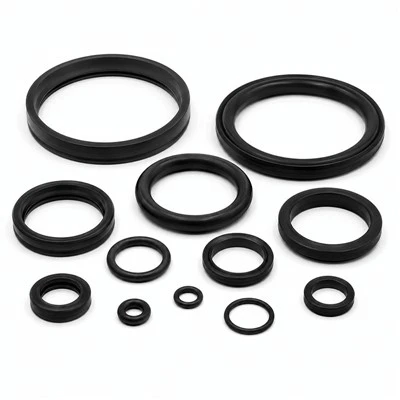
First off, let’s get one thing straight: not all sealing rings are the same. That rubber ring on your coffee pot? Total different material than the Viton ring on your industrial compressor. Mess up the cleaning method, and you’ll end up with a ring that’s more crumbly than a saltine, or worse—still leaking. I’ve seen so many customers skip this step and blow their budget on replacements when a 10-minute clean would’ve worked. Let’s break it down by what you’re working with, because that’s where most people go wrong.
Step 1: Grab Your Supplies (Nothing Fancy, Promise)
You don’t need a professional degreaser or a pressurized washer. Here’s what works for 99% of sealing rings I sell:
- Mild dish soap (the non-antibacterial kind—antibacterial has stuff that eats rubber over time, trust me)
- Lukewarm water (hot water can soften silicone or make EPDM crack, so keep it below 120°F, roughly the temp of a warm bath)
- A soft-bristled toothbrush (the old one you toss after 2 months is perfect—hard bristles scratch rubber, and scratches = leaks)
- A microfiber cloth (no paper towels—they leave tiny lint bits that get trapped in the ring’s grooves)
- For extra gunk: a tiny bit of isopropyl alcohol (70% strength, not 91%—stronger alcohol breaks down some rubbers)
- Skip the oven cleaner, bleach, or anything with ammonia. I’ve had three clients this year alone ruin a $20 Viton ring because they used bleach. Don’t be that guy.
Step 2: Take the Ring Out (Seriously, Don’t Clean It In Place)
I know, I know—you’re in a hurry, so you just squirt soap around the lid and call it good. Here’s the secret I learned early: 80% of sealing ring grime is in the tiny gaps between the ring and whatever it’s sealing. If you don’t pull it out, you’re only cleaning the surface. Plus, cleaning it in place can push gunk deeper, which makes the seal worse.
Take your time. If it’s a fridge door seal, lift it slowly, check for any loose bits (like a small piece of the liner stuck to the back), set it on a towel so it doesn’t get bent. If it’s a hydraulic seal, drain a tiny bit of fluid first, then pop it out with a flathead screwdriver wrapped in tape—no metal scraping the ring. Bent rings? Even a little bend makes it leak, so be gentle.
Step 3: Clean It, By Material (This Is Where It Gets Specific)
Now, this is the part most people miss. Let’s go through the common types I supply, and what works for each:
EPDM Seals (Most Common—Fridges, Washing Machines, Hose Bibs)
EPDM is the rubber that’s everywhere because it’s cheap and holds up to temp changes. Gunk here is usually soap scum, dust, or food buildup. Here’s how:
- Soak the ring in lukewarm water with a drop of dish soap for 5 minutes. Don’t soak longer than 15—EPDM can get waterlogged and swell if you leave it too long.
- Take your soft toothbrush, gently scrub the grooves (that’s where 90% of the crud hides). If there’s a spot with baked-on gunk, add a tiny bit of isopropyl alcohol to the brush, scrub again.
- Rinse with cool water, pat dry with a microfiber cloth.
Last month, a guy came to our shop with a leaky washing machine—he’d spent $30 on a new seal because he thought the old one was toast. I had him clean his EPDM ring this way, and it worked. He ended up buying 5 extra rings as spares, said he saved $50. Small win, but that’s the stuff we do.
Silicone Seals (Coffee Pots, Pressure Cookers, Food Storage)
Silicone’s the squishy, heat-resistant stuff—great for kitchen gear, but it picks up weird oils and odors. If your pressure cooker smells like old chili, this is your fix:
- Don’t use dish soap here—antibacterial stuff can leave a weird residue, and silicone is super absorbent. Instead, make a paste of baking soda and warm water (1 tbsp baking soda to 2 tbsp water).
- Gently spread the paste on the ring, let it sit for 10 minutes. That’s it—no soaking, baking soda’s gentle enough that it won’t scratch.
- Scrub lightly with the toothbrush, rinse, then let it air dry (silicone holds odors if you dry it with a cloth, so leave it out for an hour).
- Pro tip: If your silicone ring has a stubborn smell, toss it in a pot of water with a lemon slice for 5 minutes. I did this for my mom’s coffee pot ring, and it took the old coffee smell right out.
Viton Seals (Industrial—Hydraulics, Fuel Systems, Heavy Machinery)
Viton’s the tough one, stands up to chemicals and high temps. But you can’t use harsh chemicals here either—they break down the fluoropolymer. Gunk on Viton is usually hydraulic fluid, oil, or grease.
- Soak the ring in warm water with a tiny amount of biodegradable dish soap (skip the heavy-duty industrial stuff, it’s too harsh) for 10 minutes.
- Scrub the grooves with a soft toothbrush—Viton can handle a little more pressure than EPDM, but not much.
- Rinse thoroughly, dry with a microfiber cloth. If there’s still grease, use a lint-free cloth with a little isopropyl alcohol (no scrubbing, just wipe) to avoid getting moisture in the ring’s crevices, which can cause corrosion later.
I’ve seen guys pressure wash Viton rings—total mistake. The high pressure pushes water into the ring’s gaps, and over time that causes the ring to crack when it’s installed. Don’t do that.
Step 4: Dry It Properly (Skipping This = Leaks Later)
This is another big mistake people make: they wipe the ring with a paper towel, toss it back on, and go. Paper towels leave lint, which is like having a tiny rock in a seal. Lint or moisture in the grooves will keep the ring from forming a tight seal.
- For all rings: pat them completely dry with a microfiber cloth, then let them air dry for 30 minutes in a cool, dry spot (no direct sunlight—sunlight breaks down rubber and silicone over time). If you’re in a hurry, use a fan to speed it up, but make sure there’s no dust blowing on it.
Step 5: Reinstall It Right (Even a Clean Ring Won’t Seal If You Mess This Up)
Okay, you cleaned it, now don’t ruin it at the finish line.
- Line up the ring’s grooves with the groove in the lid, pump, whatever you’re sealing. Don’t stretch it too tight—overstretching causes stress points that crack. EPDM rings can stretch a little, but silicone and Viton are stiffer, so go slow.
- For fridge door seals, make sure it’s pressed all the way around—run your hand along the edge after you put it in, check for any gaps. If it’s not sitting right, gently adjust it with your fingers.
- Test it! For lids, close it and see if it makes that tight “click” sound. For doors, close it and see if the fridge light goes off. If it still leaks, double-check that there’s no dirt left in the groove when you put the ring back—small grit is all it takes.
When to Just Buy a New Ring (Don’t Force It)
Look, I’m not gonna tell you to replace a ring that just needs a clean. But here’s the line: if the ring is cracked, brittle, or has missing chunks—don’t clean it, just swap it. I’ve had customers try to glue a cracked EPDM ring, and it lasted 2 weeks. Save yourself the headache. Also, if your ring is over 5 years old (even if it looks fine), rubber breaks down over time—cleaning it won’t bring back its elasticity.
Why We Do This: Sealing Rings Are Our Business, Literally
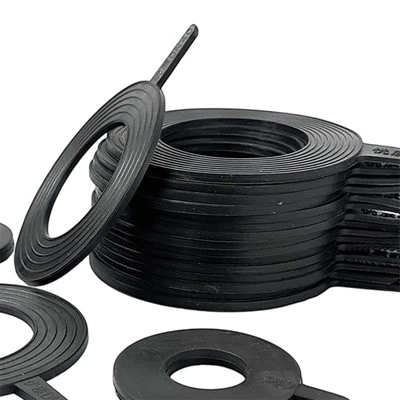
A lot of people ask me why we don’t just sell “self-cleaning” rings. The truth is, no ring lasts forever, and cleaning it is way cheaper than a replacement. We supply rings to auto shops, factories, and even residential repair services, and 3 out of 10 times, a customer comes back saying they cleaned a ring we sold them and it fixed their leak. That’s the stuff that makes our job worth it.
Silicone Tube Connectors If you’ve tried cleaning your ring and it still isn’t sealing right, or you’re not sure what material your ring is, hit me up. We don’t do fancy website links or sales pitches that make no sense—just real advice from people who deal with these rings every day. Whether you need a spare for your pressure cooker or a custom Viton ring for your factory line, we can hook you up. Don’t waste money on a replacement when a clean will do the trick.
References
- Rubber Seals & Gaskets Association. “Best Practices for Sealing Ring Maintenance and Cleaning.” Technical Bulletin #412, 2022.
- Silicone Manufacturing Association. “Care and Handling of Silicone Seals for Household Appliances.” Consumer Guide, 2023.
- International Organization for Standardization (ISO). “Guidelines for Cleaning and Reconditioning Elastomeric Seals in Industrial Applications.” ISO 18201, 2021.
Xiamen VANSER Precision Machinery Co., Ltd.
As one of the most professional sealing rings manufacturers and suppliers in China, we have established a stable global sales network and maintained long-term partnerships with industrial clients worldwide. We warmly welcome you to wholesale bulk high quality sealing rings at competitive price from our factory.
Address: No. 22, Ninghai Erli, Jimei District, Xiamen City, Fujian Province, P.R. China
E-mail: Xiewaimao@gmail.com
WebSite: https://www.vanserrubber.com/
