Alright, let’s cut to the chase—if you’ve ever Googled “mobile fuel solutions,” you’ve probably seen “mobile gas station” and “mobile fueler” thrown around like they’re the same thing. Let me guess—you might’ve even mixed them up when you were trying to figure out which one works for your job site, your fleet, or your family’s emergency backup needs. As a mobile gas station supplier, I get this confusion all the time, and I’m here to break it down straight, no jargon, no fancy fluff. Let’s start with the basics and dig into what actually makes these two different, because the wrong pick could cost you time, money, or even get you in a spot of legal trouble. Mobile Gas Station
First, let’s talk about what a mobile fueler is, ‘cause that’s the old guard in the game. A mobile fueler is basically a big truck—like a semi or a medium-duty box truck—with a giant tank bolted to the back, a couple of hoses, and maybe a basic pump. That’s it. The whole idea is to drive up to a location, hook your hose to whatever’s needing fuel, and pump gas (or diesel, or kerosene, whatever) directly into their tanks. It’s super utilitarian, right? I’ve seen ’em at construction sites—big cranes, dump trucks, haulers that never leave the job site—rolling right up to the machines instead of making ’er drive all the way to the nearest gas station. Same with delivery fleets on tight schedules; no time to stop and wait in line at a busy pump.
But here’s the thing about mobile fuelers: they’re regulated like moving bulk fuel containers, not stationary gas stations. Most places (and I mean every state and country has its own rules, but general consensus) don’t let mobile fuelers pump fuel directly into a vehicle or equipment that’s not theirs, or work with retail customers—like regular people filling up their personal cars. Also, a lot of areas require a special bulk fuel license for mobile fuelers, and they can only carry fuel in amounts that fall under that bulk exemption, usually like 1,000 to 10,000 gallons max. If you go over that, you need even more permits, and that’s a headache. Plus, mobile fuelers usually don’t have all the safety stuff you’d expect at a permanent gas station—no leak detection systems, no containment barriers, no emergency shutoff that’s easy to access for the general public. They’re built for one thing: moving fuel from a bulk storage spot to another tank, fast, for commercial use mostly.
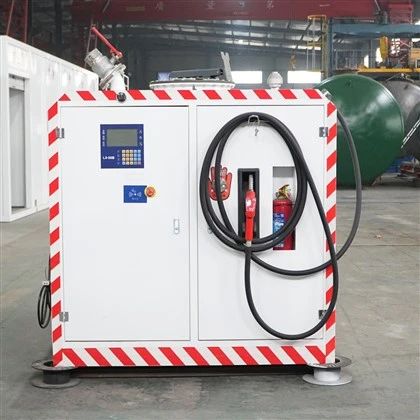
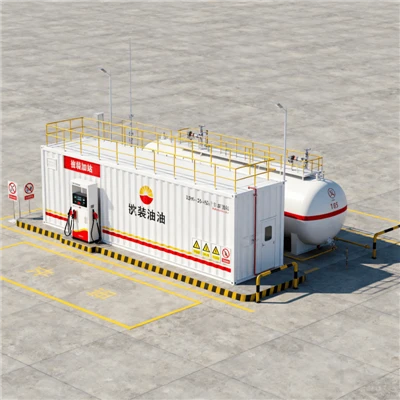
Now, let’s get to the mobile gas station, which is our bread and butter. A mobile gas station isn’t just a truck with a tank—it’s a fully functional, portable mini gas station that checks all the boxes of a permanent one, just on wheels. We’re talking about units that look like a compact, boxy station on a chassis, with a permanent tank, a credit card reader (the same ones you’d swipe at a Shell or Chevron), a full set of fuel dispensers, leak detection sensors, secondary containment, and all the federal and state required safety equipment. Oh, and they’re licensed as gas stations, not just bulk fuel transporters—so you can legally serve retail customers, small businesses, even fleets, no weird hoops.
Wait, let’s break down the key differences that actually matter, ‘cause that’s what you care about. First, regulation and licensing. Mobile fuelers are classed as “transportation assets” for fuel, so you need a bulk fuel handling license, not a retail gas license. Mobile gas stations are “portable retail fuel facilities,” so they go through the same inspection process as a fixed gas station—they have to meet NFPA 30A standards, OSHA rules, EPA leak prevention requirements. That’s a huge one for anyone worried about compliance. Last year, I had a client who runs a small trucking fleet try to use a mobile fueler for their drivers’ personal cars, and they got fined $2,500 ‘cause they didn’t have a retail fuel license—turns out mobile fuelers can’t do that. A mobile gas station would’ve been totally legal there.
Next, who they serve. Mobile fuelers are strictly for commercial, bulk-to-bulk transfers. Like, a construction company uses it to pump 500 gallons of diesel from the truck’s tank into their fleet’s on-site storage tank. Or a landscape company fueling up their mowers and trucks on job sites. They don’t do retail—no individual person pulling up in a sedan to fill up their tank legally. Mobile gas stations? They serve everyone. Small fleets, retail customers, event venues (like concerts or sports games where there’s no nearby gas station), even campgrounds that need a temporary fuel spot. We’ve had a client that has a mobile gas station at a popular outdoor festival in the Southwest, and they make a killing selling gas to festival goers during the 3-day event—no way a mobile fueler could pull that off, it’s not allowed for retail use.
Then there’s the functionality and safety. Mobile fuelers are basic—their pumps don’t have card readers that work at every gas station network, their leak detection is sometimes just a visual check, and they usually don’t have secondary containment (meaning if the tank leaks, fuel could spill onto the ground). A mobile gas station has all the same safety features as a fixed one: automatic shutoff if there’s a leak, overfill protection that stops you from pumping too much, credit card processing that works with all major networks, and the tank is double-walled with a containment pan in case of spills. We test every single one of our mobile gas stations before it hits the road, so they meet all the same safety codes as a stationary station in your local grocery store parking lot.
Wait, and let’s talk about capacity and use cases. Mobile fuelers usually max out at like 10,000 gallons, ‘cause anything over that needs special transport permits. Our mobile gas stations come in sizes from 500 gallons (perfect for small businesses or emergency backup) up to 20,000 gallons, and you can even link multiple units together for bigger events or larger fleets. We also customize them—some clients add DEF dispensers for diesel trucks, some add lighting for night time use, some even add air pumps for tires, just like a regular gas station. Mobile fuelers don’t have those extra features; they’re built for one job, one purpose.
Another big thing: payment and accessibility. A lot of mobile fuelers require you to be on a pre-authorized account, so you’ve gotta have a business with bulk fuel needs to use them. No retail payments, no walk-ups. Our mobile gas stations accept cash, credit cards, Apple Pay, Google Pay—all the same options you have at any station. You can pull up, swipe your card, fill up, and go, just like normal. That’s a game-changer for anyone who doesn’t want to wait for a bulk fuel appointment.
I know what you’re thinking—“Why would I pay more for a mobile gas station when a mobile fueler is cheaper up front?” Let’s do a quick real-world example. Last year, we had a small delivery company that tried to cut costs by using a local mobile fueler for their 20-van fleet. They ended up paying lower per-gallon, but they got three fines in six months: one for filling up a van’s personal tank (they mixed up business and personal cars for their drivers), one for leaking a little diesel on a job site ‘cause the mobile fueler didn’t have secondary containment, and one for not having the right bulk fuel paperwork when a EPA inspector showed up. Total fines? $8,000. That’s way more than the difference between a mobile fueler and our mobile gas station over a year. Plus, their drivers hated it ‘cause the mobile fueler only took check, so they had to go to the bank every time before fueling.
On the flip side, another client of ours is a construction company that uses our mobile gas station for their on-site fleet, and they have a portable unit that moves between three job sites a month. They don’t pay any fines, their drivers can swipe a card and fuel up in 5 minutes, and the EPA inspected their unit last quarter and gave it a perfect score. They told us they saved over $12,000 last year in fines and time spent on admin, compared to when they used a mobile fueler.
Wait, let’s also clear up a common misconception: some people think mobile gas stations are just for temporary events, but no—we have clients that use them as their primary fuel source for small towns that don’t have a full gas station within 20 miles. A small town in rural Wyoming bought our 10,000-gallon mobile gas station, and they park it at the town hall every day—residents come to fill up, and they even host a small community event there on weekends. That’s something a mobile fueler could never do, ‘cause it’s not licensed for retail.
Now, let’s get into the nitty gritty of regulations, ‘cause this is the stuff that gets people in trouble. In the U.S., the EPA has rules for bulk fuel transport (which covers mobile fuelers) and retail fuel facilities (which covers mobile gas stations). Mobile fuelers are regulated under the Department of Transportation (DOT) for transporting hazardous materials, while mobile gas stations are regulated under state fire marshal laws and EPA’s Underground Storage Tank (UST) rules—even though they’re above ground, they have to meet the same spill prevention and leak detection standards as fixed USTs. That means if you have a problem, you’re covered under the same liability as a permanent gas station, whereas a mobile fueler’s liability is limited to bulk transport, which has different coverage rules.
Another difference: maintenance. Mobile fuelers have super simple maintenance—you just check the hoses and the tank, make sure the pump works. Mobile gas stations need the same maintenance as a fixed station: leak tests every year, pump calibration, credit card terminal updates, dispenser inspections. But that’s not a downside, ‘cause it means your unit is safe and compliant, and we handle a lot of that maintenance for our clients if they want. We also offer 24/7 support, so if you have a problem with your mobile gas station, we’re there same day, not waiting days for a bulk fuel repair service.
Wait, let’s talk about emergency use, ‘cause that’s a big one. When there’s a natural disaster—like a hurricane knocking out power for a week, or a blizzard closing all the local gas stations—you need something you can trust. A mobile fueler might be out there moving fuel, but it can’t serve retail customers, so regular people can’t get gas. A mobile gas station, on the other hand, can be moved to a parking lot or emergency shelter, set up in 2 hours, and start serving everyone—first responders, residents, generators. We did that during the 2022 hurricane in Florida, and our mobile gas stations were some of the only places people could get gas for weeks. That’s a critical use case that mobile fuelers just can’t handle.
I don’t want to make it sound like mobile fuelers are useless—they’re not. For bulk, commercial, long-term use where you only need to transfer fuel from one tank to another, mobile fuelers are a solid option. But if you need to serve multiple customers, handle retail transactions, stay compliant, or use the unit for temporary or emergency needs, a mobile gas station is the only way to go. The line is pretty clear once you break it down: mobile fuelers are bulk transport tools, mobile gas stations are portable, compliant retail fuel facilities.
A lot of people ask me, “How do I know which one is right for me?” The first question is: are you serving individual, non-commercial customers (or need to process retail payments)? If yes, mobile gas station, no question. If you’re only moving fuel between commercial bulk tanks, then a mobile fueler might work, but double check your local laws—some places now require retail-like licensing even for bulk transfers if you’re moving to a different location. The second question: do you need safety features like leak detection, secondary containment, and overfill protection? If yes, mobile gas station. If you don’t need those extra safeguards for a low-risk, small-scale job, mobile fueler could suffice, but I still recommend checking regulations.
Last thing I want to touch on is trust. When you’re dealing with fuel, you don’t want to cut corners. I’ve seen mobile fuelers that cut corners on safety—leaking tanks, outdated pumps, no proper permits—and it ends up costing everyone. Our mobile gas stations are built to the same standards as the big gas station chains, so you know the fuel is dispensed safely, the payments are secure, and you’re not gonna get a fine from a random inspector.
If you’re still unsure which option fits your needs, or you want to learn more about our mobile gas stations, reach out to us. We can walk you through your specific use case, local regulations, and help you pick the right solution. No pressure, no sales pitch, just straight advice. Whether you’re a small business looking to set up a mobile fuel spot for your customers, a construction company needing on-site fuel, or a town looking for emergency backup, we’ve got units customized to fit your needs. Let’s chat and figure out what works best for you.
Explosion-proof Fuel Station References: National Fire Protection Association. (2021). NFPA 30A: Code for Motor Fuel Dispensing Facilities and Repair Garages. U.S. Environmental Protection Agency. (2022). Bulk Fuel Handling and Storage Regulations. U.S. Department of Transportation. (2023). Hazardous Materials Transportation Rules for Fuel Transporters. State Fire Marshal’s Association. (2023). Portable Retail Fuel Facility Licensing Requirements.
Shandong Jingcai Industry and Trade Co., Ltd.
As one of the most professional mobile gas station manufacturers and suppliers in China, we also support customized service. With abundant experience, we warmly welcome you to wholesale high quality mobile gas station in stock here from our factory. Contact us for free sample.
Address: Caojiazhuang Village Industrial Park, Lingcheng Town, Qufu City, Jining City, Shandong Province.
E-mail: shandongjingcai888@gmail.com
WebSite: https://www.sdjingcaicn.com/
