If you’ve ever walked a job site, a storage yard, or even a renovation project and spotted a roll of thin, clear plastic sheeting draped over unfinished equipment, furniture, or building materials, you’ve probably wondered: Is this standard polyethylene film actually a reliable dust cover? As a supplier of standard polyethylene film, I get this question at least a dozen times a week—from contractors, small business owners, homeowners, and even industrial facilities weighing whether to pick up a roll instead of a more specialized dust control product. The short answer? Yes, standard polyethylene film works as a dust cover in most everyday scenarios—but there are critical caveats that make the difference between a functional solution and one that winds up full of tears, doesn’t block dust properly, or even causes more harm than good. Standard Polyethylene Film
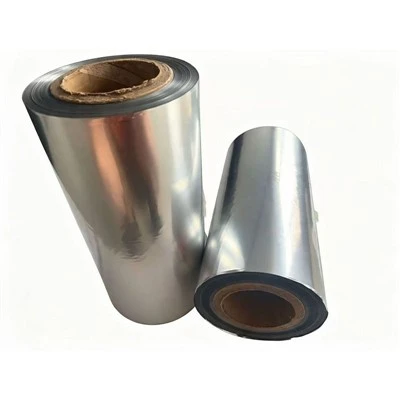
Let’s start with what standard polyethylene film actually is, because that’s the foundation of why it works for dust control (and why it’s not a perfect fit for every job). Standard polyethylene film is a thermoplastic polymer made from ethylene monomers, produced in thin, flexible sheets that come in weights measured in mils (one mil equals 1/1000 of an inch). The most common weights for general use are 2 mil, 3 mil, and 4 mil—thicker films add durability for heavy use, while thinner ones are lightweight and easy to handle. Unlike specialty dust covers (like woven polypropylene tarps, breathable painter’s fabric, or electrostatic dust sheets), standard polyethylene is non-porous. That non-porous property is its biggest strength for dust control: it blocks fine particulate matter—construction dust, sawdust, pollen, drywall debris, and even common industrial dust—from seeping through to whatever you’re covering. That’s why it’s been a go-to dust control tool for decades, even before specialty dust covers became widely marketed.
But let’s break down when it works best, and when it falls short, because that’s where most people make the mistake of assuming all plastic sheeting is the same. First, the good: For indoor use, standard polyethylene film is almost unbeatable as a low-cost dust cover. If you’re renovating a basement and want to cover a vintage sofa, or framing out a new room and need to protect your HVAC unit from drywall dust, 2 mil or 3 mil film is thin enough to cut with a utility knife, drape over awkward shapes, and tape down with painter’s tape without leaving residue on your surfaces. I’ve had residential customers tell me they used a single roll of 3 mil film to cover their kitchen cabinets during a 2-week renovation, and when they removed it, there was barely a speck of dust on the wood—way better than a bedsheet, which lets fine dust seep through the fabric. Even for light outdoor use, like covering garden furniture between seasons or a stack of lumber on a covered porch, standard polyethylene works as a basic dust cover; its smooth surface lets dust brush off easily if it settles, and it’s water-resistant too, so it protects against dirt kicked up by rain or wind.
Now, the gaps. This is where my team and I have to be honest with customers, because we don’t want someone buying a roll of standard film for a job it’s not designed for. First, thickness matters a lot for outdoor use. If you’re leaving a dust cover up for more than a week in an open, windy area—like a job site with no overhang, or a construction project on a busy street—2 mil film will tear almost immediately. Wind can catch the thin sheet, yank it loose from tape or stakes, and turn it into garbage. For outdoor jobs longer than a few days, we always recommend at least 4 mil film, but even then, it’s not as durable as a specialty woven dust tarp. Second, standard polyethylene is not breathable. That sounds like a small detail, but it’s a big issue for covering items that have any moisture in them. If you cover a damp wooden table or a power tool that’s been exposed to rain, the moisture can get trapped between the film and the item. Over time, that leads to mold or mildew growth—something no one wants when they’re trying to protect a prized piece of furniture or a tool they use every day. Specialty dust covers, like painter’s fabric, are breathable, so they let moisture escape while blocking dust, which is why they’re better for damp or stored items.
Another common misconception: Standard polyethylene film is airtight. It’s not, and that’s a problem for certain dust types. If you’re dealing with ultra-fine, toxic dust—like silica dust from concrete cutting, or lead paint dust from old home renovations—standard film won’t block those particles completely. Those tiny particles (less than 10 microns, which is smaller than a grain of sand) can seep through tiny gaps in the film, or even through micro-pores in the polyethylene itself for very thin gauges. For jobs involving toxic or ultra-fine dust, you need a specialty dust cover rated for that level of protection, not standard film. I’ve had a few construction workers come to me after buying a cheap thin roll, only to find silica dust had coated their equipment inside, and they told me they should have invested in the thicker, rated product.
Wait, but let’s get back to what standard polyethylene film does well, because a lot of customers don’t realize that it’s actually ideal for specific, high-intensity dust control tasks that other products can’t handle. For example, during drywall taping, the fine dust from joint compound can get everywhere, including on electrical outlets, window frames, and appliances. Standard polyethylene film is perfect for taping down over doorways to create a dust barrier; it’s thin enough to poke small holes for doorknobs if needed, and you can hang it with tape to create a semi-sealed barrier that blocks 90% of drywall dust from moving between rooms. We even supply it to schools during summer renovations, where contractors use it to seal off classrooms so dust doesn’t get into the hallways or occupied spaces. Unlike fabric dust barriers, polyethylene doesn’t hold onto dust particles, so when you take it down, you can simply fold it up and dispose of it, wiping off any surface dust with a damp cloth if you want to reuse it. That makes it a huge cost-saver for projects where you need a temporary, one-time-use or multi-use dust cover without spending a lot of money.
I should also mention a key point about installation, because even the best standard film is useless if it’s not put on correctly. The number one mistake people make when using it as a dust cover is not sealing the edges properly. If you just drape it over a table and let the sides hang loose, dust will blow under the edges and coat whatever you’re trying to protect. For indoor dust covers, always use painter’s tape (not duct tape, which can leave sticky residue) to seal all edges of the film to the surface you’re protecting, or to the floor/wall to create a barrier. For outdoor use, use landscape stakes or heavy-duty tape to secure the edges, and overlap sheets of film by at least 6 inches if you’re covering a large area— that way, wind won’t blow under the gap between sheets. Another tip: If you’re covering something bulky, like a lawn mower or a stack of lumber, leave a little slack in the film instead of pulling it tight. Tight film is more likely to tear when a gust of wind hits, while slack will move with the wind and stay intact longer.
We also get a lot of questions about reusability. Can standard polyethylene film be used as a dust cover more than once? Absolutely, if you take care of it. After use, gently shake off any loose dust, wipe the surface with a damp cloth (avoid harsh cleaners, which can break down the plastic), and fold it neatly instead of crumpling it. I’ve had customers use the same roll of 3 mil film for three different renovations over two years, and it still works as a dust cover for small items. The lifespan depends on the thickness and the environment— 2 mil film is great for single-use, while 4 mil can last months if used indoors or in a sheltered outdoor space. The only time it won’t be reusable is if it tears from rough handling, or if mold grows on it because you covered a damp item without letting it dry first.
Let’s compare standard polyethylene to other common dust cover options to put it in perspective, because that helps customers decide what’s right for their needs. Specialty woven tarps: More durable, breathable, and water-resistant, but more expensive, bulkier, and harder to cut or shape for tight spaces like doorways. Painter’s fabric: Breathable, good for damp items, but traps dust, is more expensive, and can be heavy to hang. Electrostatic dust sheets: Excellent for fine dust, but very thin, expensive, and not good for outdoor use. Standard polyethylene film: Low-cost, flexible, easy to install, good for indoor and light outdoor dust control, but not as durable as tarps, not breathable, and not rated for toxic dust.
From a supplier’s perspective, we never push standard polyethylene film as the right dust cover for every job. We always ask customers a few questions first: How big is the area you’re covering? How long do you need it for? Is it indoors or outdoors? Are you covering damp items? What type of dust are you trying to block? That helps us guide them to the right product. For example, if a customer is covering a stack of lumber for 2 weeks outside, we’ll recommend 4 mil film with extra stakes. If they’re covering a dresser indoors for a week, 2 mil works perfectly. If they’re dealing with silica dust, we’ll point them to a specialty rated dust cover instead.
I’ve seen too many people waste money on the wrong product—either buying an expensive specialty cover when they only need a cheap roll of plastic, or buying thin film for a long outdoor job and being frustrated when it tears. That’s why transparency is so important for us as a supplier. We want customers to get the right solution, even if that means they don’t buy from us (though of course we’re confident standard polyethylene film is the right choice for many people).
So, to circle back to the original question: Can standard polyethylene film be used as a dust cover? Yes, but with context. It’s a reliable, cost-effective dust cover for indoor use, light outdoor use, and temporary tasks where you need something flexible and low-cost. It’s not the best choice for long-term outdoor use, damp items, or toxic ultra-fine dust. The key is matching the thickness and type of film to your specific needs, and installing it correctly to seal edges and prevent tears.
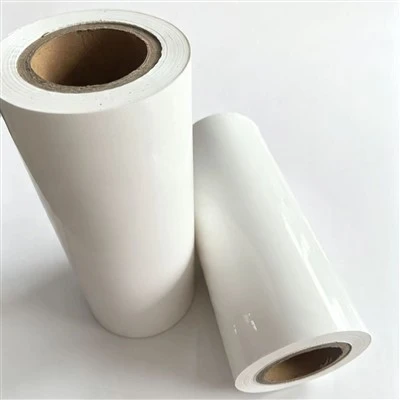
If you’re not sure whether standard polyethylene film is the right dust cover for your project, or you need help choosing the right mil thickness for your job, feel free to reach out to our team to discuss your requirements and find the best solution for your needs.
Cast Polypropylene Film References
- "Polyethylene Film Properties and Applications," Plastics Industry Association, 2022.
- "Dust Control Solutions for Construction and Renovation," Occupational Safety and Health Administration (OSHA), 2021.
- "Performance Characteristics of Thin Polyethylene Sheets for Temporary Barriers," Journal of Construction Materials, Vol. 18, No. 3, 2020.
- "Best Practices for Temporary Dust Covers in Residential Renovations," National Association of Home Builders (NAHB), 2023.
Qingzhou Huiyuan Packaging Materials Co., Ltd.
As one of the most professional standard polyethylene film suppliers in China since 1997, we’re featured by quality products and good service. Please feel free to buy cheap standard polyethylene film made in China here from our factory. For price consultation, contact us.
Address: Naoshan Industrial Park, Shaozhuang Town, Qingzhou City, Weifang, Shandong Province, China.
E-mail: 15864598133@163.com
WebSite: https://www.huiyuanfilms.com/
