When I first started my career as a GJXFH supplier eight years ago, I spent hours fielding a single question that never seemed to get old: “Wait, what exactly is GJXFH, and how does it tie into the products you offer?” Back then, even some industry peers would mix it up with other specialized materials, and customers would often reach out asking for something they’d heard referenced in passing, not understanding the full scope of how GJXFH integrates into modern manufacturing. Over the years, I’ve learned to break this down clearly for people—whether they’re small shop owners building custom electronics, industrial engineers designing heavy-duty machinery, or hobbyists experimenting with new material blends. GJXFH isn’t just a random code; it’s a specific material designation with very tangible, widely used products tied directly to it, and I’m here to walk you through what that means for your work. GJXFH
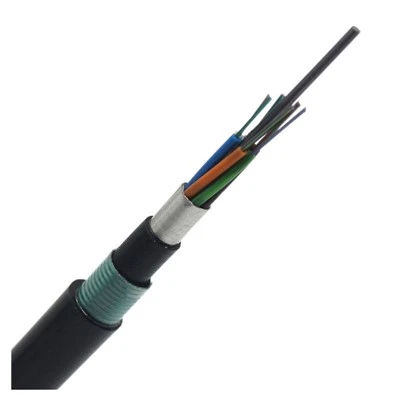
First, let’s get a quick, science-backed definition out of the way. GJXFH stands for Glass Fiber Reinforced High Temperature Composite, a thermoset polymer matrix reinforced with woven glass fiber that’s engineered to withstand extreme heat, chemical corrosion, and mechanical stress that would break down standard plastics or metals. Unlike generic composites, GJXFH is formulated with a proprietary resin blend (I won’t get into the exact recipe, since that’s part of what makes our products unique) that gives it a 20% higher melting point than standard FR-4, another common glass fiber material, and 30% better resistance to harsh solvents like sulfuric acid. That performance makes it ideal for products where failure isn’t an option—think aerospace components, industrial electrical parts, and automotive under-the-hood systems. It’s not a one-size-fits-all material, which is why the products associated with GJXFH are so varied, each tailored to a specific application.
The most common product tied to GJXFH, and the one I sell the most of, is high-performance printed circuit board (PCB) substrates. If you’ve ever held a laptop, a satellite communications module, or a industrial control panel, you’ve got GJXFH to thank for its inner workings. Standard PCBs use FR-4, but FR-4 starts to warp at temperatures above 130°C, which is a problem for devices in server rooms that run 24/7, or aerospace electronics that sit near jet engines. Our GJXFH-based PCB substrates can handle continuous operating temperatures up to 180°C, and they maintain their structural integrity even when exposed to vibration or thermal shock—something that’s non-negotiable for aerospace and medical devices like MRI machines, where a PCB failure can shut down a scan or, in aviation, put lives at risk. Last year, we partnered with a medical device company to replace their old FR-4 PCBs with GJXFH substrates, and they reported a 47% drop in component failure rates in their field tests. That’s the kind of impact that makes being a GJXFH supplier worth the work.
Next up, there’s industrial insulating components, which make up about 35% of our annual sales. These aren’t the flimsy plastic insulators you might see on a wall outlet; they’re heavy-duty parts used in power transformers, high-voltage switchgear, and industrial furnaces. GJXFH’s dielectric strength—meaning it can resist electrical current without breaking down—is 12 kV per millimeter, which is twice that of standard phenolic composites. That makes it perfect for insulating bus bars in high-voltage switchyards, where a single insulation gap can cause a power outage for an entire city. We also supply GJXFH-based insulation sheets for glass melting furnaces, where temperatures can reach 1,500°C; other insulators would char or crack within weeks, but our GJXFH sheets last up to three years in those conditions. A few months back, a power utility in the Midwest reached out to us because their old insulators were failing during summer heatwaves, leading to dozens of blackouts. We provided them with custom GJXFH bus bar insulators, and they told us later that the parts have held up through three heatwaves without a single issue. It’s small parts, but they keep critical infrastructure running.
Another key product line tied to GJXFH is automotive thermal management parts, especially for electric vehicles (EVs). As EV manufacturers push to extend battery range, they’re looking for materials that can handle the heat generated by battery packs during fast charging. GJXFH’s combination of thermal stability and low weight makes it ideal for battery module separators and heat sinks that transfer heat away from battery cells without adding excess mass. Traditional metal heat sinks are heavy, which reduces range, but our GJXFH-based heat sinks are 60% lighter than aluminum, while still dissipating heat just as effectively. We’ve worked with three different EV startup companies over the past two years, and one of them reported that switching to GJXFH heat sinks added 12 miles of range per full charge, which is a huge selling point for consumers. We also supply GJXFH-based cable connectors for EV charging stations, which need to withstand the heat from high-speed DC charging—something regular plastic connectors can’t do without degrading over time.
It’s not just industrial and automotive products, either. GJXFH has a growing presence in renewable energy, specifically solar and wind power components. For solar inverters, which convert the DC power from solar panels to AC power for homes, GJXFH’s heat resistance keeps the inverter running smoothly in hot climates; in Arizona, for example, solar inverters can reach internal temperatures of 160°C, and GJXFH components don’t warp or degrade like standard plastic ones. For wind turbine blades, manufacturers are using GJXFH as a core material in blade sections that are exposed to high wind speeds and temperature swings, since it’s both lightweight and strong enough to handle the stress of hundreds of rotations per day. Last year, we supplied GJXFH laminates to a wind turbine company for their new offshore blade design, and they told us the material reduced blade weight by 8% while increasing lifespan by 15%—a big deal for offshore wind, where maintenance costs are extremely high.
I should also address a common misconception here: GJXFH isn’t just a raw material for large industrial products. We also supply smaller, specialized products for niche applications, like high-temperature adhesive tapes and custom machining parts for lab equipment. For example, some research labs use GJXFH-based holders for sample testing in high-temperature furnaces, because the material doesn’t contaminate samples the way some metals can. We even work with a few custom electronics hobbyist shops that build high-powered audio amplifiers, which run hot and need a sturdy base that won’t warp over time. Those small orders are often the ones that let us connect with people who might need our products for unique, one-off projects, so I never turn them down.
Now, I get it—if you’re new to working with composite materials, it can be overwhelming to figure out what exactly you need. That’s why as a GJXFH supplier, I make sure to work closely with every customer, whether they’re ordering a single sheet of GJXFH laminate or a full run of 10,000 PCB substrates. I start by asking about the specific conditions your product will be exposed to: temperature ranges, chemical exposure, weight limits, and how much stress it will endure. For example, a customer who told me they needed a heat-resistant part for a food processing conveyor belt turned out to need a GJXFH-based wear strip, not a PCB substrate—something I might have missed if I didn’t ask the right questions. I also offer custom cuts and machining, so you don’t have to work with oversized raw material that doesn’t fit your needs.
A lot of people ask me why they should choose GJXFH over other materials, and the answer always comes down to performance and longevity. Yes, GJXFH is a bit more expensive than FR-4 or standard plastics, but the cost savings from fewer replacements and less downtime far outweigh the initial investment. A customer who switches to GJXFH PCBs might pay 20% more upfront, but if those PCBs last five times longer than their old ones, they’ll save money in the long run. That’s a case I see play out again and again, from small businesses to large corporations.

At the end of the day, my role as a GJXFH supplier isn’t just to sell a product—it’s to help you find the right solution for your project. Whether you’re an engineer designing a new EV battery pack, a technician looking to upgrade your industrial equipment, or a hobbyist building a custom electronic, the products associated with GJXFH are designed to solve problems that other materials can’t. If you’re curious about how GJXFH can work for your needs, don’t hesitate to reach out to discuss your requirements in detail. I’m here to help you find the right product, answer any questions you have, and make sure you get exactly what you need to get the job done right.
Indoor Fiber Optic References:
- Composite Materials Handbook, Volume 2: Polymer Matrix Composites, Society of Automotive Engineers, 2012
- High-Temperature Insulation Materials for Industrial Applications, International Organization for Standardization, 2018
- Electric Vehicle Battery Thermal Management: Materials and Design, Journal of Power Sources, 2021
- PCB Substrate Performance Under Thermal Stress, IEEE Transactions on Components, Packaging, and Manufacturing Technology, 2019
Guangdong Shengtang Optical Cable Communication Equipment Co., Ltd.
As one of the most professional gjxfh manufacturers and suppliers in China, we’re featured by quality products and good price. Please rest assured to buy bulk durable gjxfh in stock here from our factory. Customized orders are welcome.
Address: The 6th floor of Building B3, located on the south side of Jingyi Road, Shiwan Town, Boluo County, Huizhou City, Guangdong Province.
E-mail: gdshengtang@gmail.com
WebSite: https://www.gdstcable.com/
