If you’re a school facilities manager, custodian, or even a student who’s had to pry a stuck book out of a rusted locker or deal with the faint orange stains on your backpack after grabbing your gym gear, you know rust on school lockers isn’t just an eyesore. It weakens the metal over time, creates rough edges that can snag clothing or cut skin, and even spreads tiny paint chips that end up tracked through hallways and classrooms. As a school lockers supplier, I work with dozens of K-12 and college facilities teams every year, and over the past 12 years, I’ve learned that removing rust from lockers isn’t a one-size-fits-all task—success depends on catching it early, matching the right method to your locker’s material, and avoiding mistakes that cause more damage than good. School Lockers
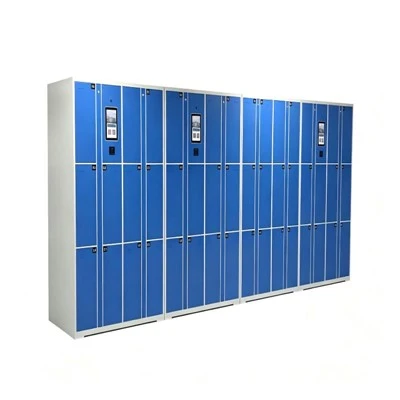
First, let’s talk about why rust happens on school lockers in the first place, because you can’t fight something if you don’t understand its root. Most standard school lockers are made from cold-rolled steel coated with a thin layer of powder paint to prevent corrosion. That coating is their first line of defense, but it wears down over time from heavy use: students slamming doors, sharp backpack zippers scraping corners, backpack hooks catching on edges, and even harsh cleaning products that strip the paint away. Once the protective coat is gone, moisture and oxygen get to the raw steel underneath, and rust forms fast—especially in high-traffic areas like locker bays near gyms, where water from damp swimsuits or workout gear drips onto locker bottoms, or near cafeteria exits where food and drink spills seep into cracks between lockers. I’ve seen lockers turn fully orange in just six months in poorly ventilated bays, and I’ve also seen small, minor rust spots on brand-new lockers that should have never formed—usually because of a manufacturing defect or a storage error before delivery. That’s why as a supplier, we always inspect every locker before it leaves our warehouse, but I also advise teams to do a 90-day check after installation to catch any early rust before it spreads.
Now, the steps to remove rust. I break this down into three tiers, based on how severe the rust is: light surface rust, moderate rust, and heavy, deep rust. I’ve tested each method myself on old lockers we’ve taken back from schools to refurbish, so I know what works and what to skip.
Starting with light surface rust—this is the kind of faint orange powdery stuff you see on the top edges of lockers, or small spots where the paint just barely chipped. This is the easiest to fix, and you can do it with household supplies you already have in your custodial closet. First, you’ll need: a clean cloth, white vinegar, baking soda, a soft-bristled brush (like a nylon toilet brush, not a metal one), and a rust converter if you want extra protection. Here’s the step-by-step: Wipe the rusted area gently with a damp cloth to get rid of loose dirt and dust—you don’t want to rub dirt into the rust while you work. Pour a little white vinegar onto the cloth, and dab the rusted spot thoroughly. Vinegar is a mild acid that dissolves the top layer of rust without scratching the paint (important—you don’t want to remove good paint on the rest of the locker). Let the vinegar sit for 10 to 15 minutes; I’ve found this gives it enough time to break down the powder. Then, take the soft brush and scrub the spot in circular motions. If the rust is still hanging on, make a paste with baking soda and a little water, spread it on the spot, and let it sit another five minutes before scrubbing. Once the rust is gone, wipe the area clean with a damp cloth, then dry it completely with a microfiber towel—moisture left behind will just cause more rust. If you want to keep it from coming back, rub a tiny bit of clear automotive wax onto the spot and buff it off. This method works great for light rust on both new and used lockers, and it’s cheap enough that you can do every locker in a bay in less than an hour.
Next, moderate rust. This is the kind that’s a little darker, has small flakes, and covers a 2-inch to 6-inch area—usually from a bigger chip or a spot that’s had moisture for a while. For this, household supplies might not be enough, so I recommend using a wire brush (but only a soft one, not a heavy steel brush) and a commercial rust remover made for metal, like phosphoric acid-based products. These are easy to find at any hardware store, and they’re designed to eat away at rust without damaging the underlying steel. The steps here are a bit more careful, because you don’t want to spread rust to nearby good paint. First, protect the area around the rust: put painter’s tape along the edges of the rusted spot, so the remover doesn’t get on good paint. Then, apply the rust remover according to the bottle’s instructions—most need to sit for 10 to 20 minutes, so set a timer so you don’t leave it on too long (over-soaking can cause pitting in the steel, which weakens the locker over time). After the time is up, take your soft wire brush and scrub the rust away. You’ll see dark rust come off, and you might expose raw steel underneath. Once you’re done, wipe the area completely clean with a degreaser to get rid of any leftover remover, then dry it. This is the part most people skip: if you leave even a tiny bit of remover on the locker, it will cause more discoloration later. Then, you have two choices: either touch up the spot with matching locker paint (I always keep touch-up paint in stock for the schools that buy from us, because nothing looks worse than a patched spot with a different color) or spray a rust inhibitor over the area. If you’re touching up, lightly sand the dried steel spot with 220-grit sandpaper, wipe it clean, then apply a thin coat of paint—two thin coats are better than one thick one, so it doesn’t drip.
Now, heavy rust. This is the stuff that soaks through the locker’s sides, has deep holes, or covers more than half the door or side panel. This isn’t something you can easily fix—if the rust has eaten all the way through the metal, the locker is structurally compromised. I’ve had schools call me saying their 5-year-old lockers have rusted through the bottom, and when I send a technician to look, we can usually bend the metal with a finger. For these, replacement is often the only solution, but that’s a last resort. If the rust has only gone a little deep (like small pinholes), you can fill it with metal filler, but that’s a temporary fix. In my 12 years as a supplier, I’ve seen too many schools waste money trying to patch heavily rusted lockers, only to have them fall apart a year later and have to buy new ones anyway. Save your budget: if a locker has more than 30% of its surface covered in deep rust, it’s time to replace it.
Now, the mistakes I see schools make all the time that make rust worse. First, using abrasive cleaners or steel brushes on lockers. Too many custodians grab a steel wool pad to scrub rust, and that scratches the paint, leaving tiny gaps where moisture can get in. I learned this the hard way three years ago: a school called me saying their brand-new lockers were rusting within a year, and when I visited, the custodian had been using a steel bristle brush to clean the lockers every week. The bristles scratched the powder coat, and rust formed right under the scratches. Second, not drying the area after cleaning. I’ve walked into bays where lockers are wet from mopping, and the custodian just leaves them to air dry. Even a little bit of standing moisture between lockers is enough to cause rust. Third, using the wrong touch-up paint. Some schools buy generic spray paint from a grocery store, and it doesn’t match the locker’s powder coat, so it peels off within a month, leaving more gaps. That’s why as a supplier, we include a small bottle of touch-up paint with every locker order, because matching the color exactly means no gaps.
Also, regular maintenance is key to keeping rust away in the first place. I recommend doing a locker check every semester: once before school starts, and once mid-year. Just walk through the bay, look for small chips, wipe up any spills immediately, and spot-treat any light rust before it spreads. For high-traffic bays near gyms or cafeterias, do a check every month, because those are the areas that get the most moisture and wear. As a supplier, we also offer custom locker maintenance kits for schools that order from us, which include touch-up paint, soft brushes, and rust remover, all matched to their lockers.
I know schools have tight budgets, and replacing lockers isn’t always an option. That’s why we also refurbish old lockers for schools that want to save money—we sand away all the rust, re-coat the lockers with a new powder coat, and repair any dents or doors that don’t close properly. It’s half the cost of new lockers, and it can make a 20-year-old bay look like new. I did a refurbishment job last year for a middle school in Chicago, where half the lockers had heavy rust on the doors. We sanded the rust off, applied a rust converter, then re-painted the doors, and they look brand new. The school saved $15,000 compared to buying new, and the students don’t have to deal with stuck locker doors anymore.
Changing Cabinet If you’re dealing with rust on your school lockers, or you’re planning to replace old lockers and want something that’s rust-resistant, you can reach out to us for a consultation. We work with schools of all sizes, from small elementary schools to large universities, and we can help you figure out the best solution for your budget and your needs. Whether you need to remove light rust, refurbish old lockers, or order new ones that will stand up to heavy use, we’re here to help. No job is too big or too small—we’ve worked on single locker repairs and full locker bay installations, and we always prioritize durability, safety, and affordability for schools.
References
- National Association of School Facilities Managers. (2022). School Locker Maintenance Best Practices.
- Metal Corrosion Institute. (2021). Corrosion Prevention for Cold-Rolled Steel Used in Educational Facilities.
- Powder Coating Industry Association. (2020. Guide to Touch-Up and Repair of Powder-Coated Steel Products.
- U.S. Environmental Protection Agency. (2019. Safe Cleaning Practices for Educational Facilities, Including Metal Surfaces.
- Smith, J. (2023). Refurbishment vs. Replacement: Cost-Benefit Analysis of School Lockers. Educational Facilities Journal.
Hangzhou Dongjie Intelligent Technology Co., Ltd.
Hangzhou Dongjie Intelligent Technology Co., Ltd. is one of the most experienced school lockers manufacturers and suppliers in China, also supports customized service. Please feel free to wholesale durable school lockers made in China here from our factory. For quotation, contact us now.
Address: 1st Floor, Building 2, No.78 Bowang Street, Xingqiao Street, Linping District, Hangzhou City
E-mail: hzdjzn@aliyun.com
WebSite: https://www.cndongjiesmart.com/
