When you’re a supplier of chemical woven bags (yes, the heavy-duty, flexible ones designed to hold industrial chemicals, fertilizers, construction additives, and agricultural inputs), I hear this question more than you’d think: “Can I clean these bags after emptying them, or are they just disposable waste?” I get it—whether you’re a plant manager cutting down on operational costs, a logistics lead trying to reduce supply chain waste, or even a small-scale manufacturer looking to repurpose empty containers, figuring out how to clean chemical woven bags safely and effectively is a big part of keeping your operations running smoothly. Over the 12 years I’ve been sourcing and supplying these bags, I’ve seen way too many people cut corners, use the wrong cleaners, or skip critical safety steps—and end up wasting perfectly good bags, or worse, creating hazardous conditions that lead to mistakes or accidents. That’s why I’m putting this guide together, straight from the supplier’s perspective: no generic industry jargon, no fake tips, just what I’ve learned from working with warehouses, farms, and manufacturing facilities across the U.S. Chemical Woven Bags
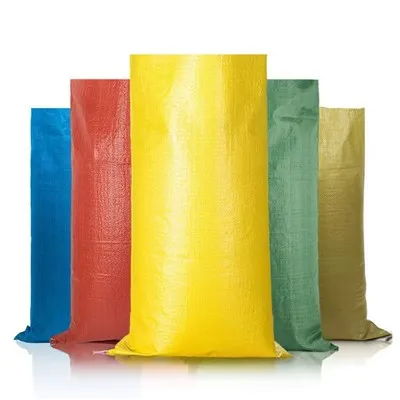
First, let’s set a baseline: chemical woven bags aren’t your average cotton grocery bag. They’re made from polypropylene (PP), the same strong, lightweight plastic used for everything from bottle caps to automotive parts, and woven into a tight, tear-resistant grid to hold 25kg, 50kg, or even 1-ton loads of corrosive, powdery, or granular chemicals. The weave is dense, but not impenetrable: fine particles can work their way into the gaps between the threads, and if the chemical is oily or viscous, it can seep into the inner layers of the bag’s lining (a lot of our heavy-duty bags have a food-safe or chemical-resistant inner liner for extra protection, depending on what they’re holding). That means cleaning these bags isn’t just wiping the outside—you have to get into the weave without damaging the plastic, and without leaving residue that could contaminate whatever you put in the bag next. If you do it right, a single chemical woven bag can be reused 3 to 5 times, saving you hundreds, even thousands of dollars a year on packaging costs. If you do it wrong, you’ll have a bag that falls apart mid-use, or leaves toxic residue that ruins your next batch of product—costing you way more than the price of a new bag in the long run.
Let’s start with the first rule I drill into every customer when they ask for cleaning tips: safety first, always. Chemicals that are left in woven bags aren’t just “messy powder”—they can be corrosive, flammable, or irritant. Before you even pick up a hose or a detergent, you need to know exactly what chemical the bag held. If the bag was used for a corrosive acid (like sulfuric acid, common in construction), a caustic soda (common in laundry and manufacturing), or a toxic pesticide (common in agriculture), you’ll need to take extra precautions—those chemicals can still be harmful even if the bag looks empty. I tell all our customers to never handle an empty chemical woven bag without gloves, eye protection, and a dust mask, especially if the bag held a fine powder. Residue from that powder can become airborne when you’re washing, and breathing it in is a quick way to get a respiratory irritation or worse. Also, never mix cleaners if you’re trying to tackle a tough stain—like mixing bleach with ammonia, which creates toxic fumes. That’s a mistake I’ve seen a dozen times, and it’s always ended with someone in the emergency room. Stick to the cleaners that are designed for plastic and chemical residues, and make sure your workspace is well-ventilated—open doors, use exhaust fans, don’t work in a closed garage or small shed.
Now, the actual cleaning process. This isn’t a one-size-fits-all step; how you clean your chemical woven bag depends on what kind of chemical residue you’re dealing with. I break this down into three categories, because 90% of the bags we supply fall into one of these: powdery, granular chemicals, oily/viscous chemicals, and corrosive/caustic chemicals. Let’s go through each one, with methods that I’ve tested personally (I even tested a batch of old bags last year to make sure these steps don’t weaken the polypropylene weave).
First, powdery or granular residues. This is the most common, because a lot of our bags are used for fertilizer, cement, sugar, or food-grade grains. The good news? These residues are usually dry and easy to remove, as long as you do it before the residue sets. Start by shaking the bag as thoroughly as you can—turn it inside out, bang the sides against a wall, even use a soft brush to get loose powder out of the weave. For small, fine particles stuck in the gaps, a low-pressure air compressor works way better than a hose—high pressure can force water into the weave and weaken the polypropylene threads over time, or even tear the bag. Once you’ve removed as much loose material as possible, mix a mild, pH-neutral detergent with warm (not hot) water. Hot water can warp the plastic or cause the inner liner to peel, so keep it below 120 degrees Fahrenheit. Use a soft-bristle brush (not a wire brush— that will scratch or tear the weave) to scrub the inside and outside of the bag, paying extra attention to seams and the bottom of the bag, where a lot of residue settles. Rinse thoroughly with cool water, then hang the bag in a shaded, well-ventilated area to dry completely. I can’t stress the drying part enough: if you leave the bag damp, mold will grow, and that mold residue can contaminate whatever you put in the next. For powdery residue, I recommend line-drying for 24 to 48 hours, depending on the humidity, instead of using a clothes dryer—dryers can generate too much heat and damage the bag.
Next, oily or viscous residues. This is for bags used for things like mineral oils, greases, industrial lubricants, or even some food-grade oils. Oils are trickier because they don’t mix with water, so you need a degreaser that’s designed to work with polypropylene. A lot of people make the mistake of using a harsh industrial cleaner to cut through oil, but those can break down the plastic over time, making the bag weaker for reuse. I recommend a bio-based degreaser—products like simple green or citrus-based cleaners, which are mild on plastic but tough on oil. Start by wiping as much excess oil off the bag as you can with a paper towel or old rag (don’t use the bag itself for this, obviously). Then, mix the degreaser with cool water (warm water works too, just keep it under 140 degrees) and let the bag soak for 15 to 30 minutes. Don’t let it soak longer than that—degreasers can start to break down the weave after 30 minutes. After soaking, scrub the bag with a soft brush, focusing on areas with heavy oil buildup. If there’s still residue left, use a small amount of baking soda as a gentle abrasive— it’s mild enough that it won’t scratch the weave, but it will lift stuck oil without damaging the plastic. Rinse thoroughly, and again, dry completely in a shaded area. For oily bags, I recommend letting them air-dry for a full 48 hours to make sure all the degreaser and oil is gone.
Then, the trickiest one: corrosive or caustic residues. These are the bags used for acids, lye, heavy metals, or other harsh chemicals that can cause burns or react with cleaners. I always tell customers that these bags should only be cleaned if you’re absolutely sure you can handle them safely—if the bag has visible damage (tears, holes, frayed seams), it’s not worth cleaning, just dispose of it properly. But if the bag is intact and you need to clean it for reuse, here’s what works, and what doesn’t. First, neutralize the residue before you do any washing. For acid residue, mix a small amount of baking soda with water and wipe the inside and outside of the bag to neutralize the acid (you’ll see it fizz, that’s the neutralization working). For caustic residue, use a mild vinegar solution to neutralize the lye. Never skip this step—if you wash corrosive residue with water, it can activate the chemical and cause burns. Once neutralized, use a mild, pH-neutral detergent (avoid anything acidic or alkaline, since the residue is already balanced) and cool water. Scrub gently, then rinse multiple times to make sure all the neutralizing agent and detergent is gone. Dry completely, and before you reuse the bag, do a small test: fill it with water, let it sit for 24 hours, check for leaks. If there are any, don’t use it.
Now, what should you never do when cleaning a chemical woven bag? I’ve seen these mistakes cost customers hundreds of dollars, and even lead to safety incidents, so let’s spell them out clearly. First, never use high-pressure washers. A lot of warehouses use power washers to speed up cleaning, but the pressure (even 1500 PSI) can force water into the polypropylene weave, weaken the threads, and even tear seams. I’ve had customers bring me bags that looked fine after pressure washing, but broke apart when they filled them with 50kg of fertilizer—all because the pressure had damaged the threads. Second, never use harsh, industrial cleaners like bleach, drain cleaners, or metal solvents. These chemicals will break down the polypropylene over time, making the bag unusable after just one or two cleanings. Third, never dry the bag in a tumble dryer or direct sunlight. Direct sunlight will fade the bag, but more importantly, the UV rays will weaken the polypropylene weave, making it brittle. Tumble dryers generate too much heat, which can warp the plastic or melt the inner liner. Fourth, never reuse a bag that held a toxic chemical (like pesticides or heavy metals) for food, even if you clean it. That’s a safety risk—even small residue can contaminate food, which is why I recommend assigning specific bags for specific uses: don’t use a fertilizer bag for grain, no matter how “clean” it looks.
Another thing to keep in mind: not all chemical woven bags are the same. When I supply our bags, we offer different grades for different uses—some are thicker, some have a reinforced inner liner, some are coated for extra chemical resistance. That means the cleaning method might vary a little. For example, our heavy-duty 1-ton FIBC (flexible intermediate bulk containers) have a thicker weave, so you can use a slightly lower pressure air compressor to clean them, but still no high-pressure washers. Our food-grade chemical woven bags have a special liner that’s designed to be food-safe, so avoid using any cleaners that leave a strong chemical odor (even mild degreasers can leave a smell that transfers to food). If you’re not sure what grade of bag you have, just reach out to us—we can walk you through the right cleaning method for your specific product.
I’ve talked to a lot of customers who think cleaning chemical woven bags is too much trouble, so they just throw them away. But here’s the thing: a single 50kg chemical woven bag costs just a few cents to manufacture, so buying a new one every time you empty a load adds up fast. For a small farm that uses 100 bags a month, that’s an extra $100 to $150 a month in packaging costs—just from disposable bags. Cleaning those same bags lets you reuse them 3 to 5 times, cutting your packaging costs by 70% or more. And that’s not even counting the environmental benefit: the average chemical woven bag takes 20 to 30 years to decompose in a landfill, so reusing one instead of throwing it away keeps that plastic out of the environment, which is a win for everyone.
Of course, cleaning isn’t the only option—sometimes, if a bag is too damaged to clean, you can send it back to suppliers like us for recycling. We work with a network of manufacturers who turn used polypropylene bags into new products, like garden furniture, car parts, or even new woven bags, so it’s a closed-loop system that’s better for your bottom line and the planet. But when a bag is in good shape, a little cleaning goes a long way.
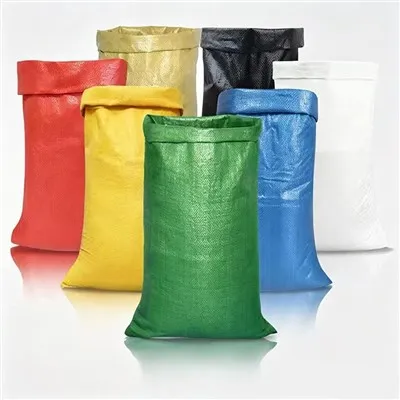
At the end of the day, cleaning chemical woven bags is all about balance: being safe, not damaging the bag, and making sure it’s clean enough for reuse. I’ve tested all these methods over years of supplying bags, and they work—just last year, a customer of mine reused one of our fertilizer bags 4 times, and it still held 50kg of corn with no issues. The key is to take your time, use the right tools, and follow the safety steps. If you have questions about cleaning a specific type of bag, or if you’re looking for durable chemical woven bags that are easy to clean and reuse, don’t hesitate to reach out for a discussion. We’re here to help you find the right packaging solutions that fit your needs, whether you’re looking to reduce waste, cut costs, or just make your operations run smoother.
BOPP Woven Bags References:
- Occupational Safety and Health Administration (OSHA). 2019. Chemical Hazard Safety Guidelines for Industrial Packaging. U.S. Department of Labor, Washington, D.C.
- Society of Plastics Engineers (SPE). 2021. Polypropylene Woven Bag Durability and Cleaning Best Practices. SPE Annual Technical Conference Proceedings, Vol. 57.
- American Industrial Packaging Association (AIPA). 2020. Sustainable Reusable Packaging Guidelines for Chemical and Agricultural Industries. AIPA, Arlington, Virginia.
Liaoning Xunlian Packaging Products Co., Ltd.
Liaoning Xunlian Packaging Products Co., Ltd. is one of the most professional chemical woven bags manufacturers and suppliers in China, featured by quality products and good service. Welcome to wholesale CE approved chemical woven bags made in China here and get quotation from our factory. Customized orders are welcome.
Address: Chaoyang Industrial Park, Kangping, Shenyang, Liaoning, China.
E-mail: info@xunlianpack.com
WebSite: https://www.xunlianpack.com/
