If you’ve ever worked with seals, gaskets, or component parts that need to stand up to extreme heat, harsh chemicals, or long-term durability, chances are you’ve interacted with fluororubber—often called FKM or Viton (a common trade name). For years, my team and I have supplied custom fluororubber solutions to industries spanning aerospace, automotive, pharmaceuticals, and food and beverage, and one question comes up more than any other: Is fluororubber biocompatible? Fluororubber
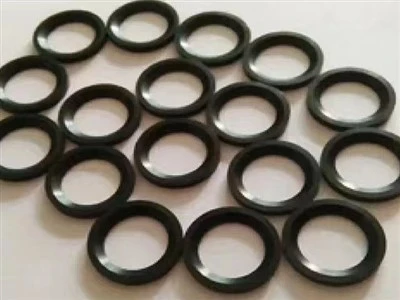
It’s a fair question. Biocompatibility isn’t just a buzzword. When a material touches human tissue, comes into contact with food or medicine, or is part of a medical device implanted into the body, it can’t leach harmful chemicals, trigger an immune response, or break down into toxic byproducts. But “fluororubber” is a broad term. Unlike, say, stainless steel or silicone, fluororubber isn’t a single, uniform material—it’s a family of elastomers with different compositions, manufacturing processes, and end-use properties. That means the answer to biocompatibility isn’t a simple yes or no; it’s a deep dive into chemistry, testing standards, and real-world use cases.
Let’s start with the basics of what makes a material biocompatible. For a material to be considered biocompatible for medical or food contact use, it has to meet specific criteria: no extractable or leachable compounds that are toxic to cells, no induction of adverse immune reactions when in contact with living tissue, and (if relevant) the ability to perform its intended function without degrading over time in a biological environment. For food contact, it must pass tests for migration of additives into food simulants like water, acid, oil, or alcohol, per regulations like the U.S. Food and Drug Administration (FDA) 21 CFR Part 177, the European Union’s Regulation (EC) No 1935/2004, or China’s GB 4806 series. For medical applications, it needs to comply with standards like ISO 10993, the global gold standard for biological evaluation of medical devices, which tests for cytotoxicity, sensitization, irritation, and more.
Now, where does fluororubber fit in here? Most standard fluororubber formulations are made from copolymers of vinylidene fluoride (VDF) with other fluorinated monomers like hexafluoropropylene (HFP) or tetrafluoroethylene (TFE), plus additives to improve processing, durability, or performance. The good news is that the base fluoropolymer backbone of FKM is extremely stable. Unlike some rubbers that break down when exposed to heat or chemicals, fluororubber’s carbon-fluorine bonds are among the strongest in organic chemistry—so under normal use, it doesn’t leach large amounts of its base polymer into surrounding media. The catch, though, is in the additives, and how the material is cured. That’s where a lot of off-the-shelf fluororubber parts fall short when it comes to biocompatibility.
Take curing systems, for example. Fluororubber is typically cured (vulcanized) to form its elastic, durable structure using one of three main methods: diamine, peroxide, or bisphenol curing. Diamine curing, once common, can leave behind small amounts of unreacted aromatic amines—compounds that are known to be toxic and can trigger allergic reactions or cancer in high exposure. That’s a non-starter for biocompatible applications. Peroxide curing is an improvement, but some peroxide cure systems leave residual unreacted peroxide or byproducts that can leach into contact materials, which is why it’s not always suitable for medical or food use.
Bisphenol curing, specifically bisphenol AF (BPAF)—wait, no, hold on, modern biocompatible fluororubber formulations use bisphenol curatives that are specifically formulated to meet regulatory limits. Wait, let’s clarify: not all bisphenol curing systems are created equal. Early iterations had issues, but modern, regulated bisphenol cure systems have very low residual extractable levels, and when formulated correctly, they pass biocompatibility tests. The key here is that generic, off-the-shelf fluororubber is often made with cost-cutting additives or curing systems that don’t prioritize biocompatibility. But specialty, pharmaceutical-grade or medical-grade fluororubber formulations are engineered from the ground up to meet those strict standards.
That’s the difference my team focuses on every day. We don’t just sell bulk fluororubber compound; we work with our customers to formulate parts that fit their specific biocompatibility requirements, whether that’s a food processing gasket that will come into contact with acidic juice or a medical device seal that will be part of a drug delivery system. Let’s break down real-world applications to make this tangible.
In the food and beverage industry, for example, fluororubber is prized over silicone or EPDM for its resistance to high-temperature steam, which is used to sanitize processing equipment. But silicone can degrade over repeated steam exposure, while EPDM can leach plasticizers that alter food taste or safety. A recent project we worked on for a craft brewery required custom gaskets for their fermentation tanks, which needed to meet FDA 21 CFR 177.2600 for food contact. We selected a peroxide-cured, low-extractable fluororubber compound that passed migration testing for all standard food simulants, with zero detectable leachable heavy metals or unreacted curing agents. The brewery had been having issues with EPDM gaskets breaking down after 6 months of weekly steam cleaning—our fluororubber gaskets have now lasted 3 years with no degradation, and their product testing has confirmed no transfer of chemicals to their beer.
In the medical device space, biocompatibility is even more rigorous. Let’s take implantable medical devices, like pacemaker components or orthopedic seals. For these applications, ISO 10993 sets requirements for in vitro cytotoxicity, skin sensitization, intracutaneous reactivity, and even genotoxicity. A few years back, we partnered with a company developing a new continuous glucose monitor (CGM) that required a tiny, flexible seal for its sensor module, which would be in contact with interstitial fluid under the skin for up to 14 days. Off-the-shelf fluororubber parts tested positive for mild cytotoxicity in initial trials, because their curing process left behind trace levels of unreacted accelerator. We worked with our material chemists to adjust the cure cycle and select a custom biocompatible additive package that reduced residual extractables to undetectable levels. The final formulation passed all ISO 10993 Part 5 (cytotoxicity) and Part 10 (irritation and sensitization) tests, and the seal is now used in over 2 million CGM devices worldwide.
That said, it’s important to call out the limitations. Not all fluororubber is biocompatible. For example, some specialty fluororubbers designed for high-performance industrial applications—like those used in chemical processing pumps or aerospace fuel systems—may be formulated with additives that are perfectly safe for those environments, but would fail medical or food contact testing. One common misconception is that all fluororubber is “medical grade,” but that’s not true. Medical-grade formulations require third-party testing, lot-to-lot consistency, and adherence to strict additive limits, which off-the-shelf industrial grades don’t always have. Another limitation is that biocompatibility isn’t a one-time test—materials can change over time. For example, if a fluororubber part is exposed to repeated cycles of heat, radiation, or extreme pH, it may break down and release compounds that weren’t present in initial testing. That’s why we always work with customers to match the formulation to their exact operating environment, not just their biocompatibility requirements.
Another point often overlooked is extractables vs. leachables. Extractables are compounds that come out of a material when it’s exposed to harsh conditions (like high heat, strong solvents) in a lab setting, to identify potential risks. Leachables are compounds that come out when the material is in its intended use, in contact with the intended medium. For biocompatibility, both are important, and good fluororubber formulations will have very low extractables and leachables, even after long-term use. We keep detailed lot records for all our biocompatible fluororubber compounds, so our customers can track every batch they receive, which is critical for industries like pharmaceuticals or medical devices that need full traceability for regulatory audits.
Let’s also address some common myths I hear from new customers. One is that fluororubber contains PFOA (perfluorooctanoic acid), a chemical once used in fluoropolymer manufacturing that was phased out due to environmental and health concerns. While old fluororubber formulations did use PFOA as a processing aid, nearly all manufacturers, including our team, switched to alternative processing aids over a decade ago, in line with EPA and EU REACH regulations. Modern biocompatible fluororubber has undetectable levels of PFOA and other related per- and polyfluoroalkyl substances (PFAS) that are restricted under global regulations. That’s a key point for customers in the food and medical space, who are increasingly looking for low-PFAS materials.
Another myth is that fluororubber can’t be recycled, which is a separate issue from biocompatibility, but it’s a common question we get. It’s true that fluororubber is more difficult to recycle than some other elastomers, but recent advances in chemical recycling have made it possible to reprocess waste fluororubber (including biocompatible grades) into new parts without losing their biocompatible properties. We work with a network of recycling partners that can process our off-spec or waste fluororubber, turning it into usable compound for non-biocompatible applications, which is a big win for reducing waste.
So, to circle back to the original question: Is fluororubber biocompatible? The answer is, when engineered and formulated correctly, absolutely. But it’s not a universal property of all fluororubber. The key factors are the curing system, the additive package, third-party testing against relevant standards, and lot-to-lot consistency. For our team, that’s the foundation of every biocompatible fluororubber solution we provide. We don’t just sell a material—we partner with customers to navigate the complex regulatory landscape, test formulations to meet their specific requirements, and deliver parts that are safe, durable, and fit for their purpose.
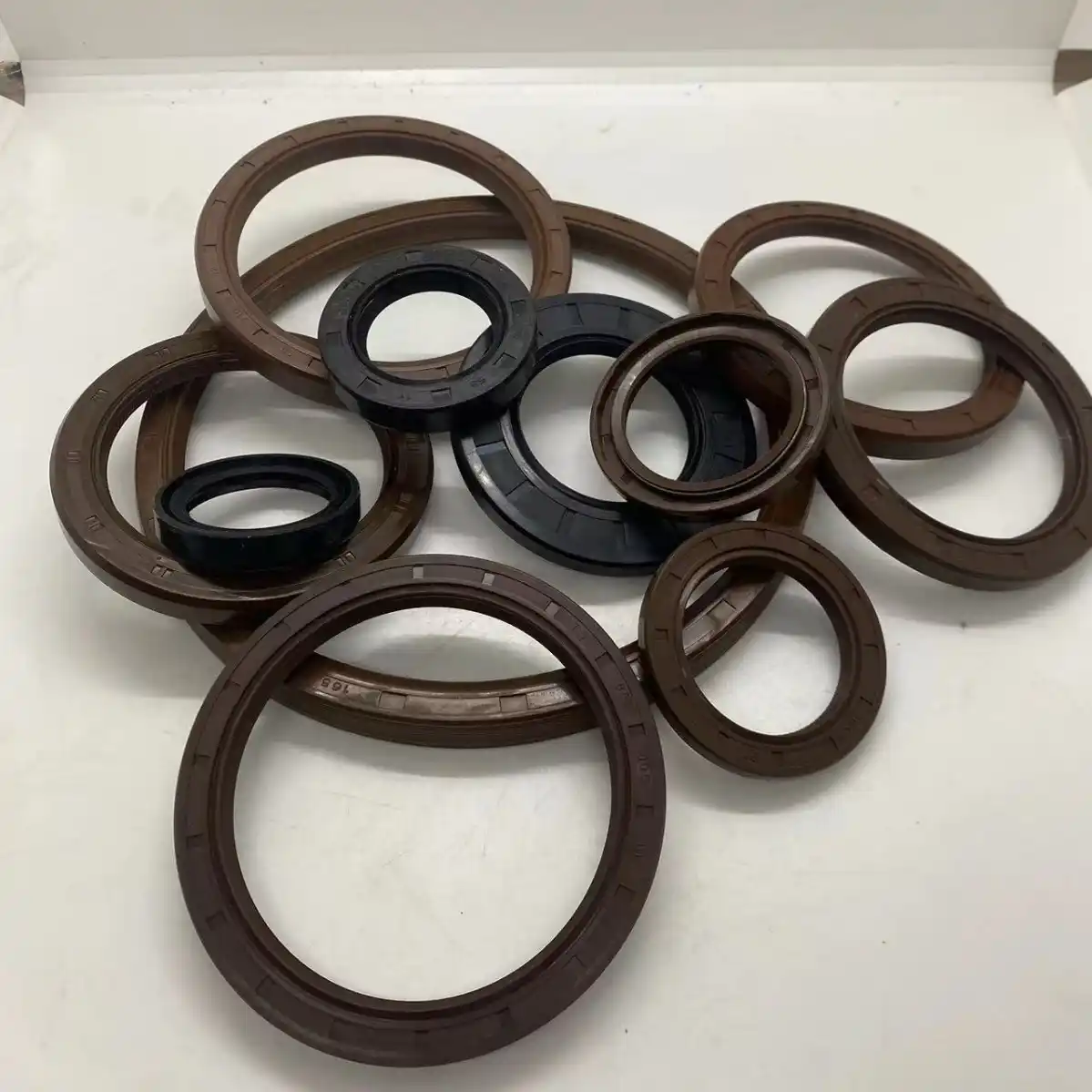
If you’re working on a project that requires biocompatible elastomers—whether that’s food processing, medical devices, pharmaceutical packaging, or something else entirely—our team has the expertise to help you select or formulate the right fluororubber solution. We’ve supported hundreds of customers across regulated industries to meet their biocompatibility goals, and we’re here to answer any questions you have about material testing, regulatory compliance, or custom formulation.
EPDM Rubber References
ISO 10993-5:2019, Biological evaluation of medical devices — Part 5: Tests for in vitro cytotoxicity
U.S. Food and Drug Administration, 21 CFR Part 177, Indirect food additives: Polymers
Regulation (EC) No 1935/2004 of the European Parliament and of the Council of 27 October 2004 on materials and articles intended to come into contact with food
ASTM D1329-20, Standard Test Method for Evaluating the Stability of Vulcanized Rubber to Aging by Heat in Air (Oven Method)
Gu SW, Ren X, Wang Y. Biocompatibility of fluororubber materials for medical applications. Journal of Biomaterials Applications. 2018;32(9):1212-1225.
Wuhu Chaori Rubber and Plastic Technology Co., Ltd.
As one of the most professional fluororubber manufacturers and suppliers in China, we have world-leading production equipment and strong manufacturing capabilities. Please feel free to wholesale bulk durable fluororubber made in China here and get quotation from our factory. For price consultation, contact us.
Address: Qihang Road, Xinwu Economic Development Zone, Wanzhi District, Wuhu City, Anhui Province, P.R. China
E-mail: chaori2026@163.com
WebSite: https://www.chaorirubber.com/
