If you’re in the market for a small wood crusher – whether you’re a small-scale sawmill operator, a landscaper managing yard waste, a startup focused on wood chip production, or a hobbyist with a side gig turning scrap wood into mulch – one of the first questions you’ll ask is, “What’s the price tag?” As a wood crusher supplier with over 12 years of hands-on experience working directly with clients across North America, I can tell you there’s no one-size-fits-all answer. The cost of a small wood crusher depends on a handful of key factors: machine specifications, build quality, capacity, and the features that align with your specific needs. Let’s break this down honestly, no corporate jargon, no hidden fine print. Wood Crusher
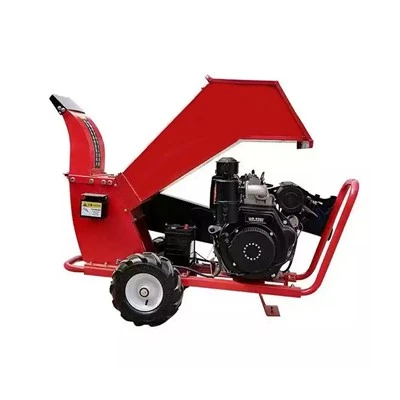
First, let’s define what a “small” wood crusher actually means for our industry. Most clients categorize small models as machines with a 5-15 horsepower (HP) engine, designed to process 500 to 2,000 pounds of wood per hour. That’s different from industrial crushers that crank out 10,000+ pounds an hour; these small units are built for jobs that don’t require heavy-duty, 24/7 use.
At the lower end of the spectrum, you’ll find entry-level small wood crushers priced between $1,200 and $2,800. These compact models are ideal for part-time use, hobbyists, or small yards where you’re processing thin branches, small scrap pallets, or yard clippings (under 3 inches in diameter). They typically use a single-phase electric motor (great for workshops with standard 120/240V outlets) or a gas engine with 5-7 HP. The build quality here is solid but not heavy-duty: many use stamped steel components rather than thick plate steel, and their cutting mechanisms are usually flail hammers – rotating blades that beat wood into chips. For context, last year we sold around 180 entry-level units, mostly to homeowners doing mulch for their garden beds and small landscaping companies handling residential properties. One of my recent clients, a family-owned landscape company in Ohio, bought two of these for their crew’s side jobs, and they’ve run them 20-30 times a month for a year with only minor maintenance (a new hammer here, a belt there). That said, I’ll be straight: if you’re planning to run this machine 40+ hours a week, entry-level units can wear out faster, especially if you’re pushing them to process thicker, wetter wood.
Next, the mid-range small wood crusher, which is where most of our commercial clients land. These models cost between $2,900 and $5,800, and they’re built for consistent, light-to-medium commercial use. They usually have a 8-12 HP engine (either single-phase electric or gas-powered), process 1,200 to 1,800 pounds per hour, and can handle wood up to 5 inches in diameter. The biggest upgrade here is build quality: most mid-range units use ¼-inch thick steel frames (vs. 1/8-inch on entry-level models) and hardened steel cutting components, often a combination of flail hammers and a fixed anvil that improves crushing efficiency. Many also have features that save you time and hassle, like a self-feeding hopper that prevents jamming (a common headache with entry-level models) and adjustable chip size settings so you can turn out fine mulch for gardens or coarser chips for animal bedding. Last year, we delivered 110 mid-range units to clients like small sawmills processing pallet scrap, farm operations turning crop residue into mulch, and startup wood chip companies supplying local nurseries. A pallet manufacturer in Indiana bought a mid-range crusher last quarter, and they told us it’s cut their wood waste disposal costs by 60% – they used to pay $350 a month to haul scrap wood to a landfill, and now they crush it on-site and sell excess chips to a nearby animal bedding company for $100 a month. That’s a tangible return on investment right there. I will note that mid-range units have longer lifespans: with regular maintenance, they can run 5-8 years with minimal major repairs, which makes the initial cost worth it for commercial use.
Then there’s the heavy-duty small wood crusher, which tops out at $5,900 to $9,000. Wait, you might be wondering: “Is that still a small crusher?” Yes – we classify these as small because they cap at 15 HP and process up to 2,000 pounds per hour, but they’re built to compete with mini industrial models. These are for clients who run their wood crusher 40+ hours a week, process large volumes of scrap wood, or work with thick, wet, or hard wood (like oak or maple). These units use ½-inch thick steel frames, forged steel cutting blades (not just flail hammers), and often have dual power options – electric for stationary use at a yard, or a diesel engine for portability to job sites. We don’t sell as many of these – around 25 a year – but they’re a workhorse for clients like small loggers processing small-diameter trees, multi-location landscaping companies, and medium-sized animal farms that need a steady supply of wood chips for bedding. One of our repeat clients, a tree service company in Texas, uses a heavy-duty small crusher to turn whole tree branches (up to 12 inches thick) into chips, and they’ve run it 60+ hours a week for three years. The only major repair they’ve needed was a blade sharpening at 18 months, which cost $120. For that kind of consistent use, the extra upfront cost is a no-brainer – it saves them from having to rent or buy a bigger, more expensive industrial crusher that would be overkill for their needs.
Now, I’m sure you’re thinking: “Why such a big range? Are there hidden costs I’m missing?” The short answer is yes, but they’re not hidden – they’re tied to your setup needs. For example, if you buy a gas-powered crusher, you’ll need fuel, regular oil changes, and maybe a wheel kit (add $150-$300) to move it around job sites. If you buy an electric model, you might need a dedicated 240V outlet (most small garages or job sites have these, but if not, an electrician to install one can cost $500-$1,000 depending on your location). Also, blade sharpening or replacement: entry-level flail hammers cost $20-$30 each, and a full set for a small crusher is 8-10 hammers, so $160-$300 every 1-2 years, depending on use. Mid-range and heavy-duty blades are more expensive – $50-$70 each, so a set is $400-$700 every 3-5 years – but they last much longer.
I also want to address a common misconception: “Cheaper is better, right?” Not always. Last year, I had a client who bought a $1,000 off-brand crusher online. He tried to process 4-inch oak branches, and the machine’s thin frame bent within a week, and the hammers broke. He spent $500 on repairs and still had a machine that only worked for small clippings – he would’ve been better off paying $1,500 for a reputable entry-level crusher from a supplier with a warranty and support. When you buy from a reliable supplier, you’re not just paying for the machine – you’re paying for a warranty (we offer 1-year parts coverage on all models, 2 years on heavy-duty units), local service support, and access to replacement parts within 3 business days, not 2 weeks from another country.
So, how do you know which price point is right for you? Let’s do a quick quiz, based on what our clients tell us:
- If you use the machine less than 10 hours a month, for small branches and yard clippings: Entry-level ($1,200-$2,800)
- If you use the machine 10-40 hours a month, process up to 5-inch wood, need consistent mulch or chips: Mid-range ($2,900-$5,800)
- If you use the machine 40+ hours a month, process thick wood, need portability or heavy-duty use: Heavy-duty small ($5,900-$9,000)
Of course, there are exceptions. For example, a small craft business making wood crafts might only use a crusher 5 hours a month, but they need ultra-fine chips, so a mid-range model with adjustable chip size is worth it for them, even if it’s a bit more than the entry-level.
Now, let’s talk about how to get the best value. When you’re shopping around, don’t just look at the upfront price. Ask: What’s the machine’s capacity? What’s it made of? How long does the warranty last? Do you have local support? One of our clients, a composting facility, compared three crushers online: a $1,800 entry-level, a $3,500 mid-range, and a $5,500 heavy-duty small. They bought the mid-range, and it’s lasted 2 years with almost no repairs, saving them $1,500 compared to the heavy-duty, which would’ve been overkill for their 20-hour-a-month use. That’s the sweet spot for most small to medium operations.
I also want to be transparent about trends in small wood crusher pricing. Over the past 3 years, prices have gone up 8-10% due to steel and component costs, but we’ve worked with manufacturers to keep entry-level models stable and mid-range/heavy-duty models competitive by offering bulk discounts for clients buying multiple units. We also occasionally run end-of-season deals, so if you’re not in a rush to buy, waiting for a fall or spring promotion can save you 5-10% on most models.
At the end of the day, a small wood crusher is an investment, not a purchase. It’s going to save you money on wood waste disposal, create a new revenue stream from selling mulch or chips, and cut down on time spent hauling scrap wood. But picking the right one – at the right price point – is what makes all the difference. If you’re still not sure which model fits your needs, feel free to reach out to talk through your specific use case. We can walk you through the specs, the price breakdown, and even connect you with a few local clients who have used our crushers to see how they work in real life.

To get started with a personalized quote or to ask any questions about models, pricing, or maintenance, don’t hesitate to reach out. We’re here to help you find the right small wood crusher that fits your budget and your work, no pressure, no sales pitches.
Grass Chopper References
- National Agricultural Statistics Service. (2023). Farm Equipment and Machinery Usage for Small-Scale Operations. U.S. Department of Agriculture.
- Wood Waste Management Association. (2022). Cost-Benefit Analysis of On-Site Wood Processing for Small Businesses.
- Small Business Administration. (2023). Capital Equipment Purchasing Guide for Landscape and Forestry Businesses.
- Global Wood Machinery Market Report. (2022). Small-Size Crusher Segment Analysis. Industry Reports Inc.
Zhengzhou Xinyihaotong Machinery Manufacturing Co., Ltd.
As one of the most professional wood crusher manufacturers in China, we also support custom service. We warmly welcome you to buy high quality wood crusher for sale here from our factory. For price consultation, contact us.
Address: Rooms 2301–2312, Jiayi Building, Xinxiang City, Henan Province, China
E-mail: zhaoyixuan5566@gmail.com
WebSite: https://www.xyhtmachinery.com/
