If you’ve ever stood next to a truck pulling onto a weighbridge, you might’ve glanced at the metal pads beneath the deck and thought: how many of those load cells even work here? As a weighbridge supplier who’s talked to dozens of fleet managers, construction foremen, and even a few small business owners panicking because their weighbridge kept giving wonky readings, I can tell you this question isn’t just random—it’s the kind of thing that can save you from costly fines or a broken piece of equipment. Weighbridge
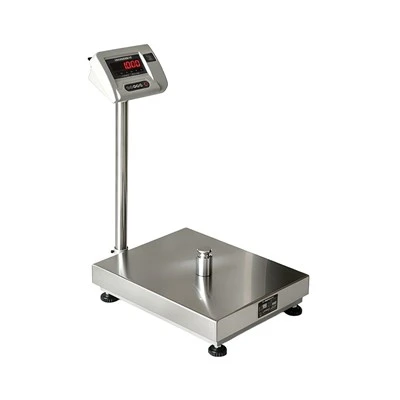
First, let’s get the basics straight: a load cell is basically the “weight brain” of a weighbridge. It’s a tiny, tough sensor that sits under the steel deck, converts the pressure of a truck or heavy load into an electrical signal, and sends that signal to the display that shows you the final weight. So when someone asks how many load cells a weighbridge needs, the short answer is: it depends, but there’s a science to getting it right.
Let’s start with what I see most often. For standard road weighbridges—you know, the ones that weigh semi-trucks, delivery vans, or construction trucks that haul 100k+ lbs—most folks go with 4, 6, or 8 load cells. Wait, 8? That sounds like overkill, right? I used to think that too, until I had a client a few years back who ran a landscaping company. He installed a 4-load cell weighbridge on a gravel lot, and six months in, the readings were off by 2,000 lbs. Turns out his lot had a slight dip in the middle, so when a truck pulled onto the front end, that two load cells were lower than the others, throwing the numbers off. We swapped it for 6 load cells, and he’s had zero issues since.
Here’s why the number matters: load cells work best when the weight is evenly distributed. If you have a 100-foot-long weighbridge and only 4 load cells, they’re spaced way apart. If a truck’s front tires are on one side and back tires are on the other, one pair of load cells has to handle all the pressure, instead of splitting it evenly between more sensors. That not only wears the load cells out faster but also leads to inaccurate readings, which is a big deal if you’re ticketing by weight or complying with road weight limits.
Now, let’s break down the types of weighbridges and their typical load cell counts, because that’s where people get confused.
Portable weighbridges (the ones you can move from job site to job site, like for temporary construction weighing) usually have 4 load cells. Why? They’re smaller, shorter decks, so weight distribution is less of an issue. They’re also lighter, so 4 tough load cells can handle the beatings of being hauled around on a flatbed. I’ve had portable units with 4 load cells last 7 years without a single replacement, so that number works for their use case.
Pit-mounted weighbridges (the kind that’s installed flush with the ground, so the truck drives straight onto it) — these are the workhorses for logistics yards, scrap yards, and grain elevators. Most of these have 6 to 8 load cells. Why so many? A pit-mounted weighbridge is longer, often 60 to 80 feet, and trucks can pull onto it at a slight angle (let’s be real, drivers rarely pull perfectly straight). If you only had 4 load cells, the truck might land just off-center, and one load cell would get stuck with all the weight. 6 or 8 load cells spread the weight across the deck, even if the truck is a little off. Plus, they’re not easy to get to—you have to dig into the ground to replace a load cell in a pit, so you want enough of them to make sure if one goes bad, the whole bridge doesn’t stop working.
Wait, what about smaller weighbridges, like the ones for pickup trucks or small delivery vans? Oh, those usually have 2 or 3 load cells. A 20-foot deck doesn’t need 8 load cells—there’s not enough space for a truck’s wheels to be uneven. I worked with a family-owned grocery delivery service last year, they had a 2-load cell weighbridge for their vans, and it was perfect for their needs. They never had accuracy issues, and replacement parts are cheap if anything goes wrong.
Now, a common myth I hear all the time: more load cells = better. Nope, that’s not true. If you have a tiny 20-foot weighbridge for pickup trucks and you put 8 load cells, you’re wasting money. Each load cell costs a few hundred bucks, so that’s extra cash you don’t need to spend. Plus, more load cells mean more wires, more connections, more places something can go wrong. I had a client once who installed 10 load cells on a 30-foot portable weighbridge, and after a year, two of the wires got chewed by a rodent. They spent twice as much fixing it as they would have if they’d stuck to 6 load cells like I recommended.
So, how do you figure out the right number for your weighbridge? Let’s run through the quick checklist I give every customer:
- What’s the maximum weight you’ll be weighing? If it’s 80,000 lbs (the legal limit for semi-trucks in most places), you need at least 6 load cells. If it’s lighter, like 50,000 lbs for delivery vans, 4 is fine.
- How long is your weighbridge deck? For decks under 40 feet, stick to 4-6 load cells. For decks over 60 feet, 6-8 is standard.
- Where is it installed? If it’s on a sloped lot, a portable job site, or a place where drivers might not pull perfectly straight, go for more load cells. If it’s a pit-mounted, perfectly level yard, you can get away with a little less.
Here’s a real example to drive this home: last year, a scrap yard owner came to me with a problem. His weighbridge was giving him readings that were 3,000 lbs off, which meant he was shortchanging his customers (and losing money). He had a 60-foot pit-mounted weighbridge with 4 load cells. The problem was, when he weighed semi-trucks hauling steel, the truck’s axles would land between the two front load cells and two back load cells, so the load cells weren’t registering all the weight. We added two more load cells, spaced evenly along the middle of the deck, and boom—accuracy was back to within 100 lbs, which is the industry standard.
Another thing to remember: load cells aren’t all the same. When I sell a weighbridge, I don’t just pick random load cells. I match the number to the capacity of the load cells. For example, if a weighbridge can handle 150,000 lbs total, each load cell should be rated for at least 25,000 lbs (so 6 load cells make sense). If you have a 150,000 lbs weighbridge with 4 load cells, each one has to handle 37,500 lbs, which is way over their recommended limit. That makes them wear out way faster, and you’ll have to replace them every year instead of every 5.
Wait, what about accidental damage? I’ve seen load cells get hit by forklifts, water get into their connections, even get corroded by salt in cold climates. Having a few extra load cells means if one goes bad, you don’t have to shut down the whole weighbridge while you wait for a replacement. You can keep using the other ones, and swap the bad one on your next slow day. That’s a big deal for businesses that can’t afford to stop weighing trucks—like logistics yards that operate 24/7.
Let’s also talk about why you shouldn’t just copy what a neighbor has. My neighbor runs a concrete plant, he has an 8-load cell weighbridge for trucks hauling concrete. That works for him, because his trucks are heavy, his deck is 80 feet long, and his drivers pull onto the weighbridge at all kinds of angles. But a local bakery down the street has a 20-foot weighbridge for delivery vans—they don’t need 8 load cells, that’s just wasting money. I’ve had bakery owners who paid for 8 load cells come back to me a year later, saying they’re overpaying for parts, and they want to downsize to 4.
Now, if you’re in the market for a new weighbridge or replacing old load cells, here’s my pro tip: don’t just look for the cheapest number of load cells. Ask a supplier (that’s me, by the way) to walk through your needs. Tell them what you weigh, how big your trucks are, where you’re putting the weighbridge. I’ve had customers come in saying they want 10 load cells because someone told them “more is better,” but after we talk, they realize they only need 6. That saves them thousands of dollars upfront, and saves them headaches later.
One last thing I always mention: calibration. No matter how many load cells your weighbridge has, if it’s not calibrated right, the readings will be wrong. I calibrate every weighbridge we sell to within 50 lbs, and I recommend re-calibrating every 6 months, or after a big repair, or if you move the weighbridge. I once had a client who got a new load cell and didn’t calibrate, so his readings were off by 4,000 lbs for three months before he checked. That cost him in overcharges and upset customers.
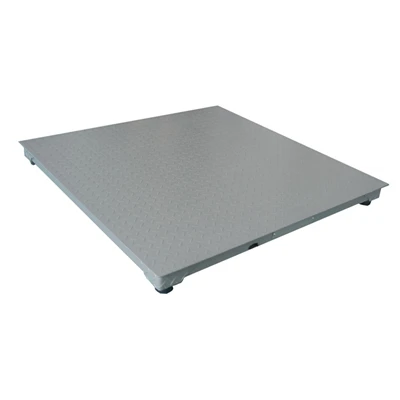
At the end of the day, the number of load cells your weighbridge needs isn’t a one-size-fits-all answer. It’s a mix of your equipment size, the weight you’re moving, and where you’re installing it. If you’re not sure what’s right for your business, hit me up to talk through it. I don’t do pushy sales pitches—just straight talk about what’ll work for your operations, no fluff, no hidden fees.
Vehicle Weighing Scale References
- Weighbridge Installation & Maintenance Guidelines, National Weighing Association, 2022
- Load Cell Capacity and Spacing Standards, Transducers America, 2021
- Portable vs. Pit-Mounted Weighbridge Performance Data, Industrial Weighing Journal, 2023
Shanghai Eagle Brand Weighing Apparatus Co., Ltd.
As one of the most professional weighbridge manufacturers and suppliers in China, we’re featured by quality products and good service. Welcome to wholesale advanced weighbridge in stock here and get pricelist from our factory. We also accept customized orders.
Address: No. 124, Group 1, Baqiao, Wangjiawei, Zhelin Town, Fengxian District, Shanghai
E-mail: 13386116000@163.com
WebSite: https://www.cneaglebrand.com/
